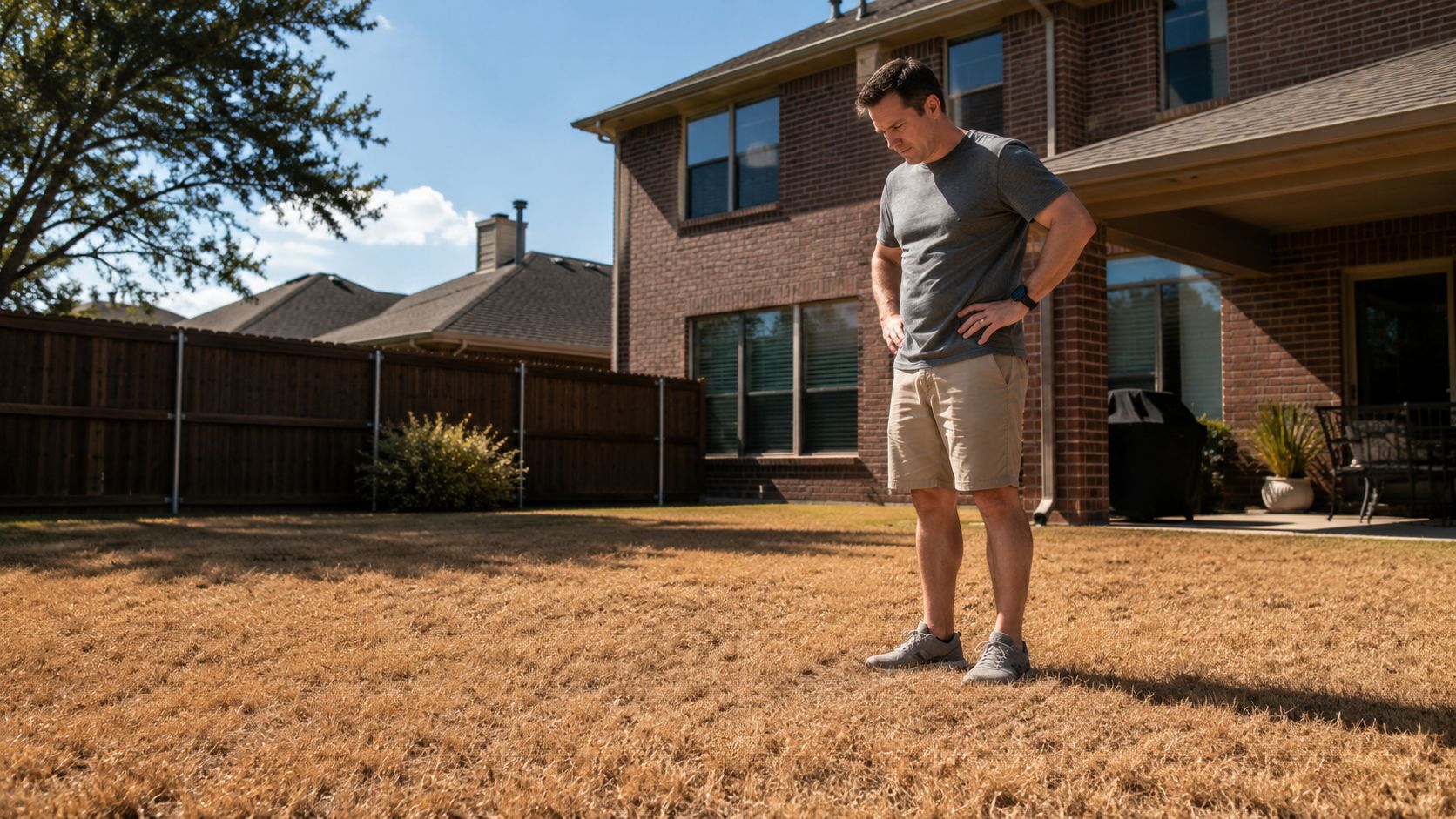
By August in Dallas, a lot of homeowners are standing at the back door asking the same question. Why am I paying for a yard that looks dead anyway?
The lawn is crunchy. The shrubs look tired by noon. One part of the yard is muddy, another is powder dry, and the sprinkler system still runs like it's doing its job. It isn't. In North Texas, that's the difference between having water on your property and having effective irrigation.
If you want the practical answer to why irrigation is important, here it is. In DFW, irrigation isn't a luxury feature. It's part of protecting your outdoor area, controlling waste, and keeping your property from sliding backward every summer.
Beyond Green Grass The Real Role of Irrigation in North Texas
In North Texas, a dead-looking lawn in late summer doesn't always mean the grass is gone for good. But it does mean your property is under stress, and stress has a cost. You see it in replacement plants, patchy turf, higher water bills, and a yard that makes the whole house look neglected.
A common misconception defines irrigation as one thing. Watering the lawn. That's too narrow, and it leads to bad decisions. Real irrigation is site management. It controls how water moves through turf, beds, slopes, clay soil, and root zones so your plantings can survive heat without wasting water.
A property owner who treats irrigation like an afterthought usually ends up paying twice. First on the utility bill, then again when the grounds decline and the front of the house loses visual impact. That's one reason smart irrigation ties directly into improving curb appeal. Healthy turf and stable planting beds make the entire property look maintained, valuable, and lived in.
A sprinkler system that runs on schedule but ignores soil, sun, slope, and plant type is just an automated way to waste money.
What irrigation is really doing
A good system does more than turn heads on and off. It helps you:
- Protect plant material by keeping moisture available when rain disappears
- Reduce stress damage during long heat stretches
- Use water intentionally instead of flooding every zone the same way
- Support property appearance so the grounds add value instead of dragging it down
That's the actual conversation. Not “Should I water?” but “How do I keep this property alive and efficient in a climate that punishes mistakes?”
More Than Just Water The Four Pillars of Smart Irrigation
In North Texas, irrigation has one job. Keep your property alive through brutal heat, strict watering windows, and clay soil that punishes sloppy watering. If a system cannot do that efficiently, it is costing you money.
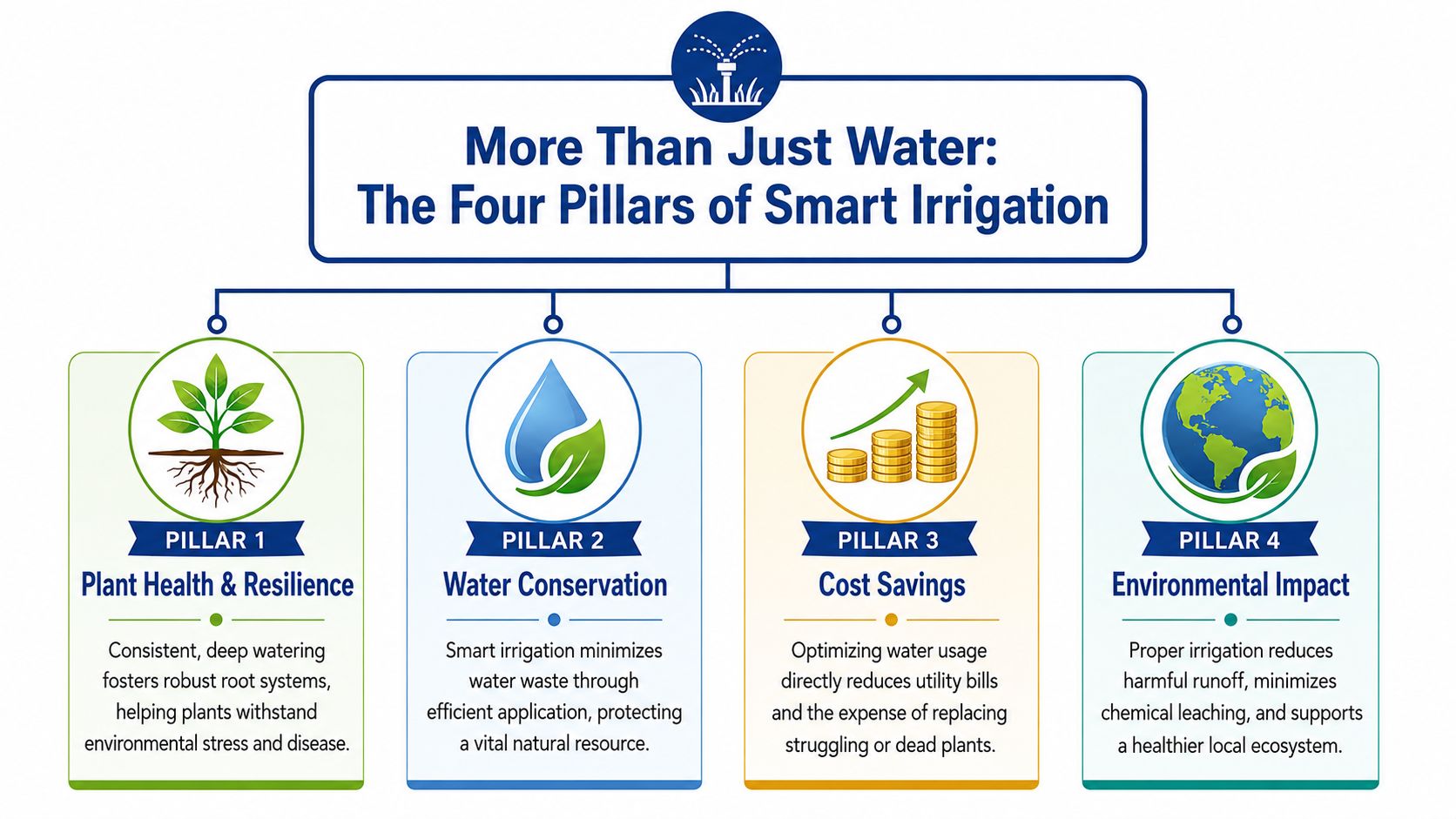
Plant health and resilience
Plants fail here from inconsistency. They get too much water at once, then not enough when the heat settles in for weeks. That weakens roots, stresses turf, and leaves shrubs struggling through the hottest part of summer.
Good irrigation fixes the pattern, not just the symptom. The point is steady moisture in the root zone based on plant needs, sun exposure, and soil conditions. For many DFW properties, that also means using lower-volume delivery in beds and targeted areas instead of blasting everything with the same spray pattern. Homeowners considering xeriscaping in Texas still need this principle. Drought-tolerant planting works better with controlled, efficient watering.
Practical rule: Deep, even watering builds stronger roots than frequent shallow watering.
That matters because stronger roots buy you time in a North Texas summer. They hold up better between watering days and recover faster after heat stress.
Water conservation and cost savings
Water is expensive. Replacing dead turf, shrubs, and seasonal color is more expensive.
A smart system cuts waste by putting water where it can soak in and do its job. On a DFW property, that means less spray hitting pavement, fewer runoff streaks down the curb, and tighter scheduling that works within local restrictions. Drip zones, matched precipitation rates, proper nozzle selection, and cycle-and-soak programming all reduce waste in a way you can see on the bill.
The savings show up in a few places:
- Lower runoff from better application rates
- Less evaporation loss in exposed beds and turf areas
- Better compliance with watering rules because the schedule is more precise
- Fewer replacement costs from preventable plant stress
Bad irrigation wastes water fast. Smart irrigation protects both the monthly budget and the long-term outdoor investment.
Property value and visual impact
Curb appeal is not cosmetic fluff. It affects how the entire property is perceived.
A yard with thin turf, stressed beds, bare patches, and failing shrubs makes the home look neglected. A healthy, consistent exterior does the opposite. It makes the property look maintained, stable, and worth more. That is why irrigation should be treated as asset protection, not a convenience upgrade.
The broader economic value of irrigation is well established. The World Bank notes that irrigated agriculture produces far higher output and value per hectare than rainfed production in many regions, which is one reason irrigation investment is tied to higher land productivity and resilience in water-stressed conditions, as explained in the World Bank overview of irrigation development. On a residential property, the principle is the same. Controlled water changes what the ground can support and how well previous improvements hold up over time.
Soil stability and foundation awareness
North Texas clay moves. It swells when it gets too much water and shrinks when it dries out hard. Wild moisture swings are bad for turf, bad for planting beds, and bad around the house.
The goal is not saturated soil. The goal is consistency.
A properly set system helps reduce the extreme wet-dry cycle that causes cracking, runoff, and constant stress in the ground around the home. That matters in DFW because the soil itself is part of the problem. If your irrigation is uneven, the soil response will be uneven too.
| Pillar | What it means on your property |
|---|---|
| Plant health | Stronger roots and better heat tolerance |
| Water conservation | Less runoff, less evaporation, less waste |
| Property value | Better appearance and stronger market perception |
| Soil stability | More consistent moisture around turf, beds, and structures |
Why DFW Landscapes Need a Specialized Approach
A generic sprinkler layout fails in North Texas for one reason. The environment is unforgiving.
Clay soil absorbs water slowly, then holds it tightly. Summer heat is brutal. Rain often arrives in extremes instead of steady patterns. On top of that, local watering restrictions force homeowners to be more precise than they used to be. If your system was built like every yard behaves the same, it's already behind.
Clay soil changes everything
North Texas “black gumbo” clay punishes fast watering cycles. Spray too much at once and water runs off before it gets where roots need it. Then homeowners assume the solution is more runtime, which usually sends more water into the sidewalk and street.
That's why cycle-and-soak scheduling matters here. You often need shorter runs with pauses so clay can absorb water instead of rejecting it. Beds, turf areas, and foundation zones shouldn't all be watered the same way because they don't drain the same way.
Heat is not just a comfort issue
In DFW, summer heat can push plants past stress and into survival mode. Recent data shows irrigation reduces plant vulnerability to temperature shocks, making it a climate adaptation tool rather than just a growth tool, according to this analysis on irrigation and climate resilience.
That matters here because many areas are exposed to reflected heat from stone, concrete, fences, and walls. Add the urban heat effect, and the same plant can need very different irrigation based on where it sits on the lot.
In North Texas, irrigation isn't just helping plants grow. It's helping them make it through the week.
For homeowners who want to lower water demand without giving up on a good-looking yard, xeriscaping in Texas is part of the conversation. But even drought-tolerant plantings need the right irrigation strategy while plants establish and during extended heat.
Restrictions expose weak systems
Water restrictions don't create irrigation problems. They reveal them.
When watering days are limited, every zone has to perform. Heads have to hit the right area. Pressure has to be reasonable. Schedules have to match soil and plant type. If your system is uneven, those restricted windows leave dry spots drier and wet spots wetter.
That's why a DFW irrigation plan has to be local in its logic. It should account for:
- Clay-heavy soil that needs slower absorption
- Extreme summer heat that pushes plant life into stress fast
- Uneven rainfall that can swing from drought to sudden downpour
- Municipal limits that reduce your margin for error
Is Your Sprinkler System Doing More Harm Than Good
A lot of failing areas aren't under-watered. They're watered badly.
That's the irrigation paradox. People see stress, then add more water, but the extra water often makes the root zone weaker, creates runoff, and keeps the problem hidden. Excessive or poorly timed irrigation can cause waterlogging and salinization, reducing soil fertility, and 20–30% of irrigated fields globally face this risk due to poor water management, according to this discussion of irrigation risks. Residential properties aren't farm fields, but the same mistake shows up at home.
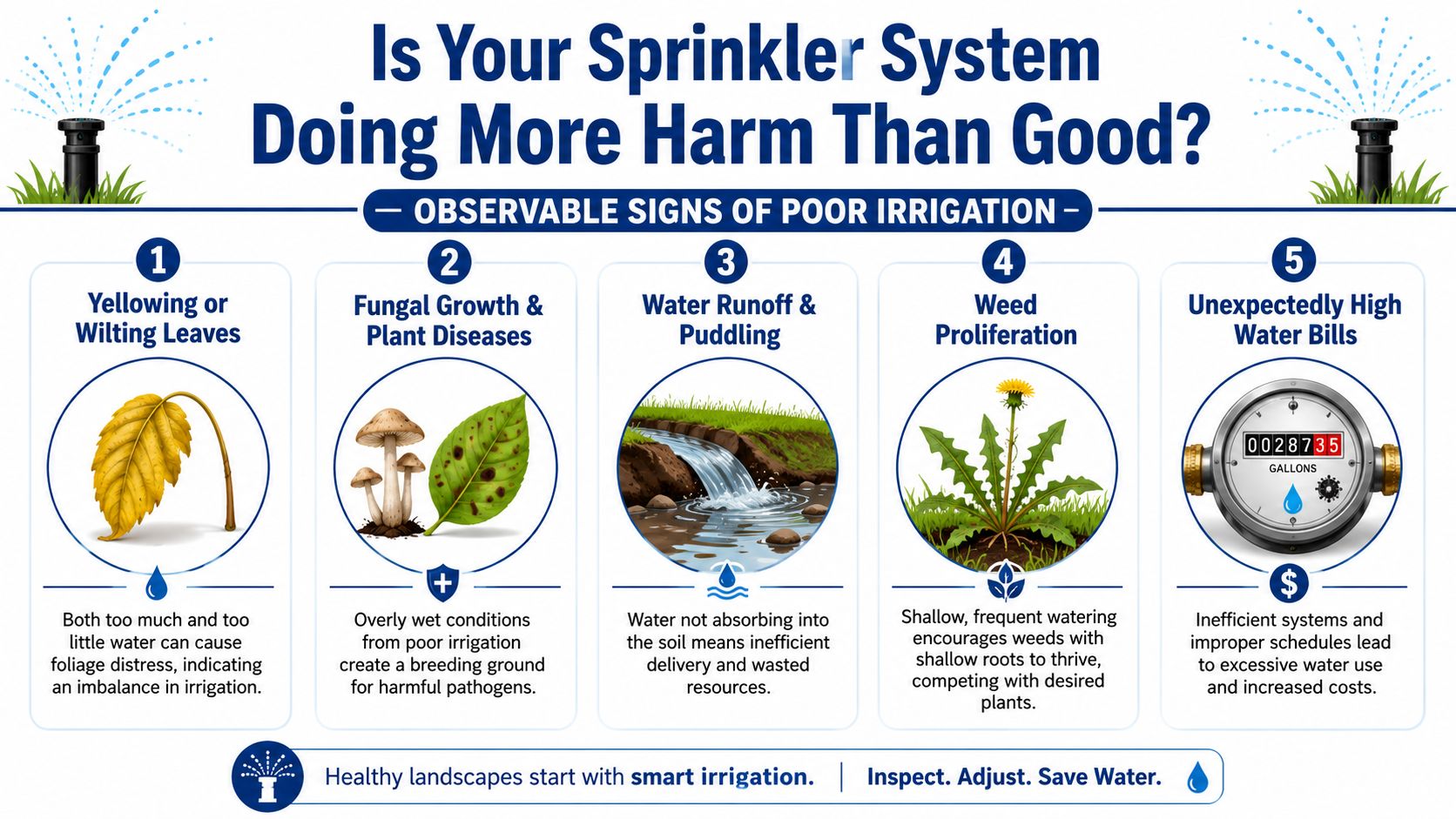
Warning signs you can spot this week
Walk your property while the system runs. You're looking for evidence, not guesses.
- Brown or yellow patches mean coverage is uneven, not automatically that the whole yard needs more water
- Mushrooms, algae, or constant soggy spots usually point to overwatering or poor drainage
- Water in the street means runoff. You paid for that water and your yard didn't get the benefit
- Wilting after watering often means roots are shallow or the water never reached the right depth
- Weeds exploding in irrigated areas can mean frequent shallow watering is favoring the wrong plants
More water is not the fix
If the system is spraying the fence, misting into hot wind, or drowning one zone while starving another, increasing runtime won't solve it. It will just enlarge the waste.
A healthy irrigation plan applies enough water to support the root zone without sealing the soil surface, flooding low spots, or encouraging fungus. That's the difference between irrigation and automated overwatering.
If you have puddles, runoff, and weak plants at the same time, your system is working against you.
Here's a quick diagnostic table:
| Symptom | Likely issue |
|---|---|
| Dry patches | Poor head spacing or blocked spray |
| Constant mud | Overwatering or drainage trouble |
| High bills | Leaks, poor scheduling, or inefficient heads |
| Wilting after irrigation | Shallow roots or poor infiltration |
| Disease pressure | Foliage staying wet too long |
Choosing the Right System for Lasting Results
You see it every summer in North Texas. The front lawn is scorched, the foundation beds are stressed, and the water bill climbs anyway. That usually means the system was built like every area needs the same water, on the same schedule, through the same heads. In DFW, that approach fails fast.
Clay soil absorbs water slowly. Extreme heat increases evaporation. Water restrictions limit how often you can correct a bad setup. The right system is not a luxury upgrade. It is protection for your lawn, planting beds, and the money tied up in the property.
Match the hardware to the zone
Good irrigation starts with selecting the right delivery method for each area, then zoning it correctly. Turf needs one approach. Shrubs and foundation plantings need another. Narrow side yards, slopes, and beds near the house need even more control because runoff and overspray create expensive problems.
| System type | Best use | Main risk if misused |
|---|---|---|
| Spray heads | Small turf areas | Mist, overspray, runoff |
| Rotors | Larger lawn sections | Dry gaps from poor spacing |
| Drip | Beds, shrubs, root-zone watering | Missed plants from weak layout |
Drip and micro-irrigation make a lot of sense in North Texas beds because they put water where it belongs, at the root zone, instead of throwing it into hot wind or across mulch. That matters when you are trying to keep shrubs alive through August without wasting water on pavement.
Design matters more than features
A flashy controller does not fix bad design. If a zone mixes St. Augustine, seasonal color, and drought-tolerant shrubs, one schedule will overwater something and underdeliver somewhere else. If heads are spaced poorly, you get weak coverage no matter how smart the timer looks on your phone.
A system built for lasting results should include:
- Separate zones by plant type and sun exposure
- Head selection that matches the size and shape of the area
- Cycle-and-soak scheduling for North Texas clay soil
- Rain and weather adjustments
- Access for routine inspection and repair
If you are comparing options, professional irrigation design and system optimization is worth reviewing because its value is found in layout, zoning, pressure management, and long-term efficiency, not just the controller box on the wall.
Cheap installs get expensive
Homeowners usually feel the cost of a bad system in stages. First comes the high summer bill. Then dead turf. Then shrubs that never quite recover. Then foundation beds that decline year after year because they were treated like lawn zones or ignored completely.
A proper irrigation system protects the grounds as an asset. It helps turf root deeper, keeps beds alive under watering restrictions, and reduces the cycle of replacement, repair, and frustration. In North Texas, that is the standard to aim for. Anything less is a temporary fix.
Your Next Steps for a Healthier DFW Landscape
If your yard struggles every summer, don't keep guessing. Start with a straightforward checklist and look at the property like an asset, not a weekend chore.
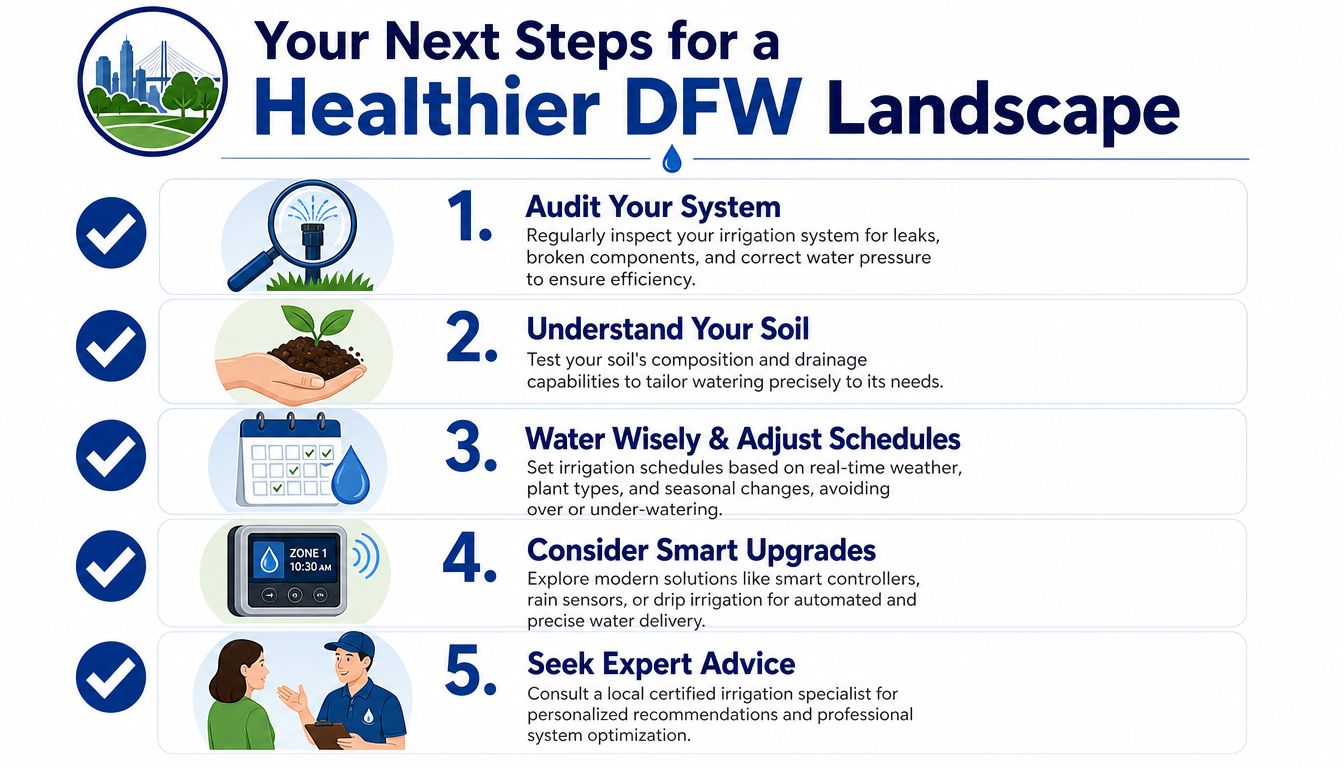
A practical checklist
Audit your current system
Run every zone and watch it. Look for broken heads, tilted sprays, runoff, missed areas, and puddling.Check your water bill
Compare your warm-season usage to cooler months. If the jump is severe and the yard still looks bad, your irrigation is inefficient.Pay attention to your soil
If you have heavy clay, long single watering cycles usually waste water. Shorter cycles with soak time often perform better.Adjust the schedule instead of setting and forgetting
Hot weeks, rain, shade, and plant maturity all matter. Your system should change with conditions.Bring in a professional when the pattern repeats
If you're dealing with the same dead spots, muddy corners, and summer decline every year, the issue is design, not bad luck.
Considering that irrigation accounted for 47% of the Nation's total freshwater withdrawals between 2010 and 2020, according to the USDA Economic Research Service summary of irrigation water use, optimizing a home system is one of the clearest ways to cut waste while protecting your own property.
Your goal isn't to use the most water. Your goal is to get the most result from the water you use.
A healthy DFW property starts when irrigation becomes intentional. That's when the lawn stops yo-yoing, the beds settle in, and your summer water bill starts making more sense.
If your lawn keeps burning out, your beds stay uneven, or your system sends water into the street, it's time for a site-specific plan. Rosewood Landscape Group provides irrigation design, installation, inspection, and optimization for North Texas properties, along with drainage, plant health care, and broader property services that help homeowners build a yard that can hold up in DFW conditions.
Related posts
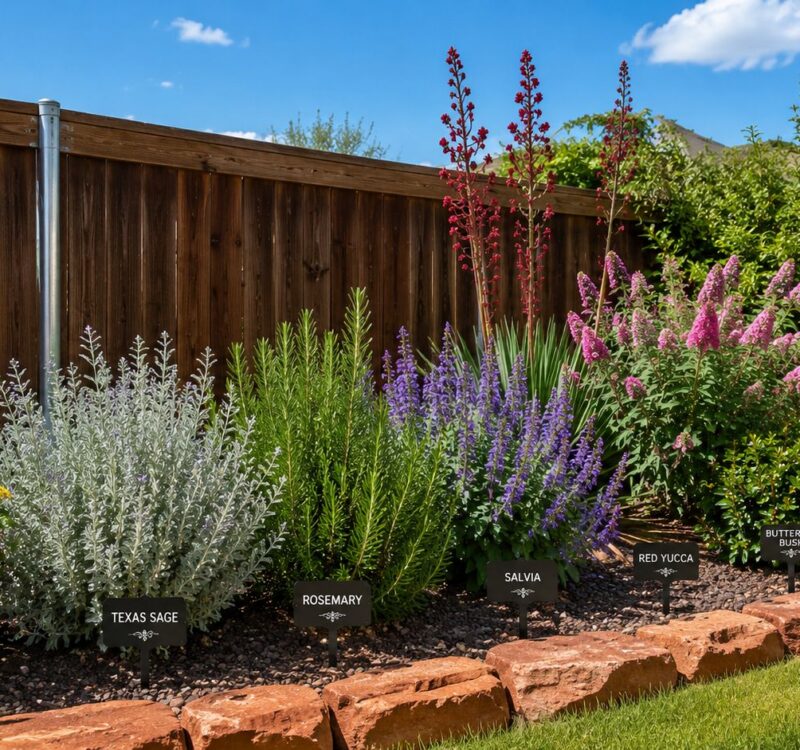
8 Best Shrubs for North Texas Landscapes in 2026
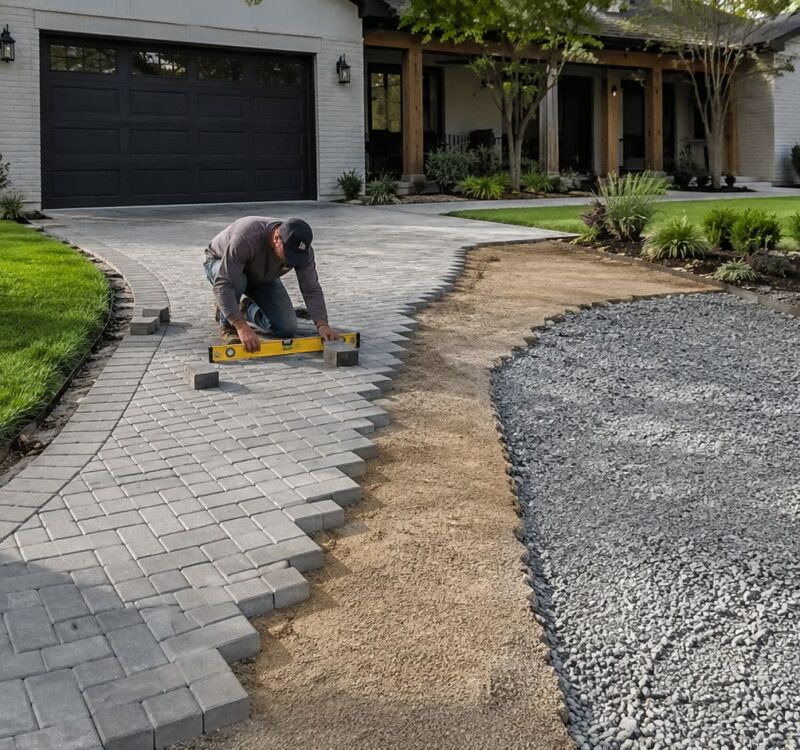
Permeable Paver Installation: A DFW Homeowner’s Guide

Zoysia Grass Fungus: Identify, Treat & Prevent in 2026
How to Improve Soil Quality: Easy Ways to Improve Soil
Take All Root Rot: Diagnose & Treat Your Lawn