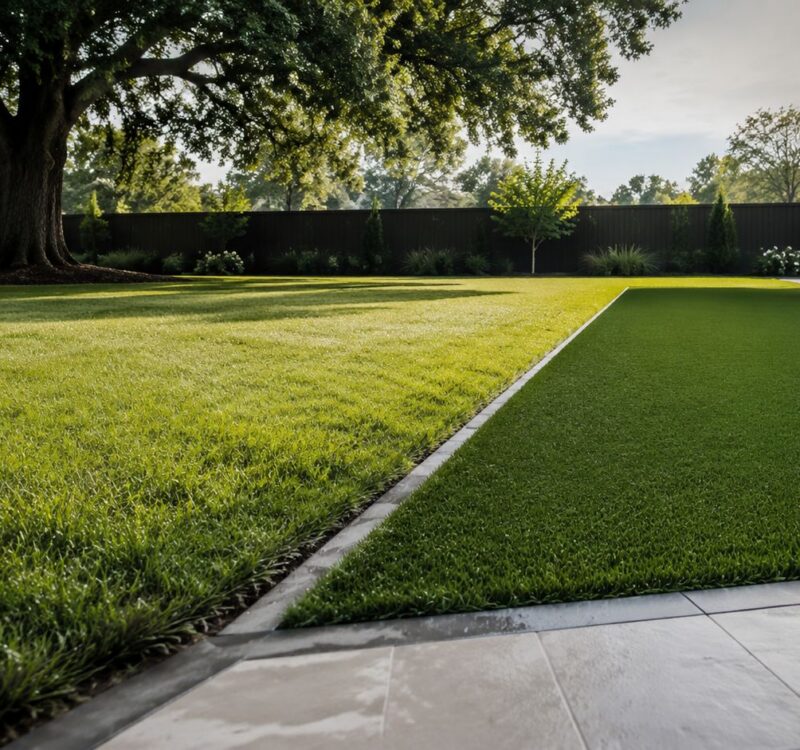
In Dallas-Fort Worth, curb appeal can look great in April and worn out by August. A front yard that felt fresh in spring can turn patchy, faded, and stressed after weeks of heat, wind, and hard rain. That's why learning how to improve curb appeal in North Texas has to go beyond flowers by the porch and a quick mow before guests come over.
It also isn't just about looks. According to the National Association of REALTORS® home and design report, 92% of real estate professionals recommend sellers improve curb appeal before listing, and buyers are willing to offer an average of $9,195 more for homes with exceptional curb appeal. Around here, that usually comes from getting the fundamentals right first. Drainage. Lawn health. clean edges. A strong entry. Plants that can handle real Texas conditions.
Your DFW Home's First Impression Matters
You can spot the difference on a July evening in any North Texas neighborhood. One home still reads clean and cared for from the street. The bed lines are visible, the entry is easy to see, and nothing looks stressed or overgrown. The house next door may have fresh mulch and a new door color, but if water is pooling by the walk, turf is burning along the curb, and shrubs are pressing against the windows, the whole property feels tired.

That is how curb appeal works in DFW. It is visual, but it is also practical. People read the front yard as a signal. If the grading looks off, the lawn is patchy, the concrete is stained, and the plantings look cooked, they assume upkeep has slipped in other areas too.
The opposite is true as well. A front yard that handles heat, sheds water correctly, and stays defined through summer gives the house a stronger first impression because it shows the property is being cared for with some discipline.
Why the outside carries so much weight
The front of the house sets expectations before anyone reaches the door. Buyers notice it. Appraisers notice it. Guests notice it. Homeowners do too, even if they cannot always explain why one property feels sharper than another.
In North Texas, that first impression is tied to performance more than decoration. A nice-looking yard in April does not tell you much. A yard that still looks intentional after triple-digit heat, spring hail, and a hard rain says a lot more.
I tell clients this all the time. Cosmetic upgrades help, but only after the basics are doing their job. If runoff is cutting through a bed, if irrigation misses hot spots, or if plants are fighting reflected heat off the driveway, the pretty layer does not last long.
Practical rule: The best-looking front yards in DFW usually are not the ones with the most added features. They are the ones that hold their shape and color under real weather stress.
What works in DFW and what usually doesn't
North Texas rewards yards with good bones. That means clear bed edges, balanced plant placement, an entry clearly visible from the street, and materials that do not look worn out after one long summer.
It also means accepting a trade-off many homeowners miss. Higher curb appeal here often comes from doing fewer things better. A simple planting plan with the right spacing and irrigation usually outperforms a busy design packed with short-lived color and high water demands.
The front yards that keep looking good tend to share a few traits:
- They solve drainage early. Downspout runoff, low spots near the foundation, and erosion at bed edges get addressed before decorative upgrades go in.
- They account for heat. West-facing exposures, reflected sun from pavement, and shallow soils change what will survive and look good.
- They rely on structure. Clean lines, repeat plant forms, and visible walkways make the home look organized even when summer is rough on everything else.
- They get maintained on purpose. Mulch breaks down, turf thins, and shrubs keep growing. There is no set-it-and-forget-it version of curb appeal in DFW.
Some upgrades still fail fast. Thin annual color in full afternoon sun. Oversized shrubs planted too close to the house. Decorative stone laid over drainage problems. Those choices may look good for a listing photo, but they rarely provide lasting value.
A climate-aware approach is what separates a temporary facelift from a front yard that provides lasting value.
Assess Your Curb Appeal Like a Pro
Most homeowners stand on the porch and judge the yard from a few feet away. Buyers don't see it that way. They arrive from the street, scan the whole front elevation at once, and decide whether the home feels sharp, tired, or neglected.
Start there.
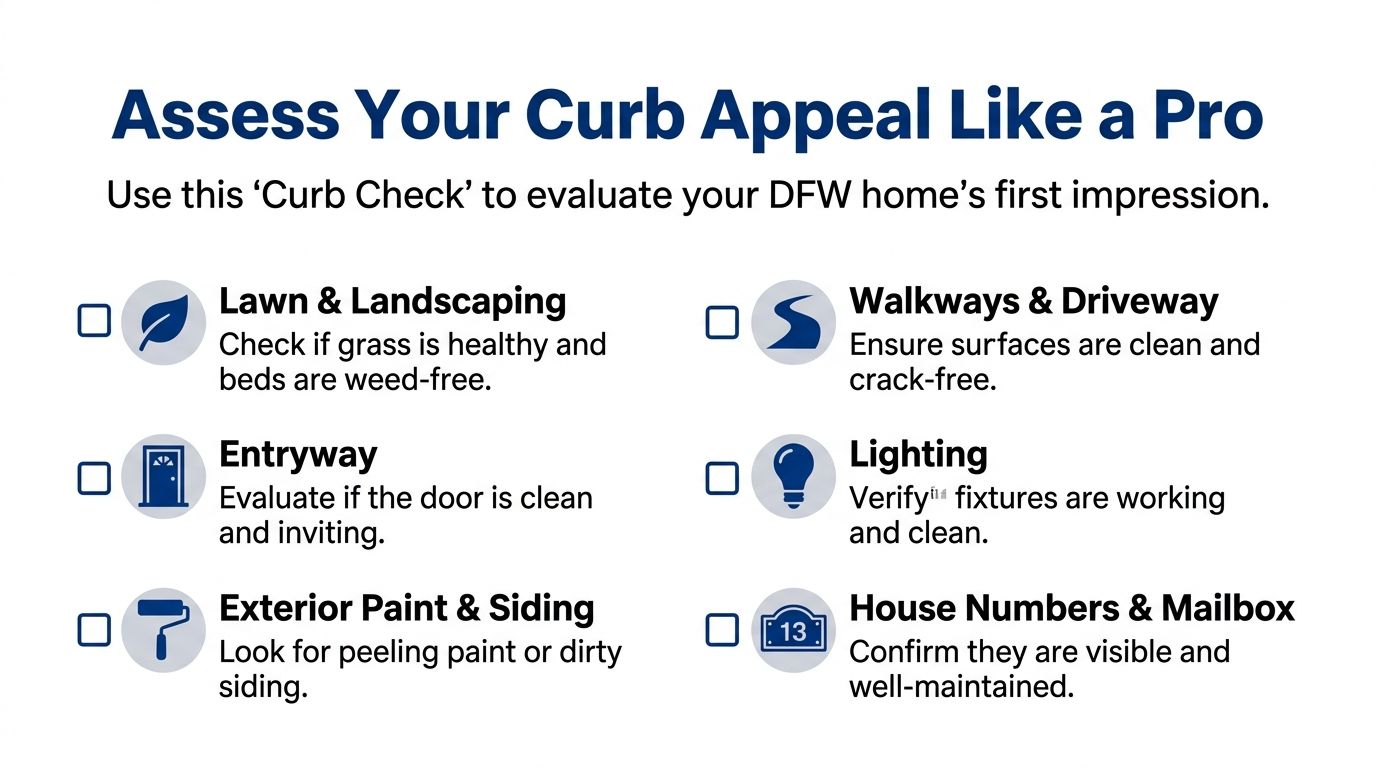
Redfin experts recommend doing a curb check from the street. That simple shift in viewpoint helps you spot problems you miss up close. The same guidance notes that adding steel edging for sharp borders can raise perceived value by 5–10% because it signals care and precision.
Do the curb check the right way
Walk across the street and stop. Don't look at one feature. Look at the whole composition.
Ask yourself:
- Does the eye move naturally to the front door?
- Do the lawn and beds look intentional, or uneven and patched?
- Is anything blocking windows, columns, or the entry path?
- Does the house look brighter than its surroundings, or do its surroundings support it?
- Are there signs of water issues, dirt buildup, or neglected repairs?
Then come back closer and inspect the trouble spots.
What DFW homeowners should look for first
North Texas yards usually tell on themselves. Heat stress, runoff, and overgrowth leave visible clues.
Lawn condition
Look for thin areas, scalped spots, and places where grass fades faster near sidewalks or driveways. Those edges often suffer first because of reflected heat.Bed definition
Fuzzy bed lines make the whole property feel less maintained. Crisp edging changes that immediately.Shrub scale
Foundation shrubs should frame the house, not hide it. If they cover lower windows or spill into walkways, they're too large or overdue for reshaping.Surface cleanliness
Driveways, walkways, siding, and fences collect grime quickly. Tire marks, algae, and mildew can make a cared-for home look ignored.Entry strength
Stand at the curb and find your front door. If it disappears into the facade, the entry needs contrast, framing, or both.
When the border lines are clean and the proportions make sense, people read the house as maintained before they notice individual plants.
Check for the issues people skip
This is the part most DIY lists leave out. Don't just check what's pretty. Check what's undermining the pretty.
A few examples matter in DFW:
- Standing water after storms that leaves muddy lawn patches or stains near the driveway
- Erosion in beds where mulch keeps washing out
- Exposed foundation lines that make the planting look sparse or sunken
- Dead or struggling plants that read as a maintenance problem, not a design choice
- Unsafe walkways with cracks, settlement, or tripping edges
Write down everything you see, then rank it by impact. Start with what's visible from the street and what makes the property look neglected. A mailbox can wait. Soggy turf by the entry can't.
High-Impact Projects for North Texas Homes
A front yard can look strong in April and worn out by August if the work never addressed heat, runoff, and plant stress. In DFW, the best curb appeal projects improve the view from the street and keep performing through long dry stretches, hard rain, and reflected heat off driveways and brick.
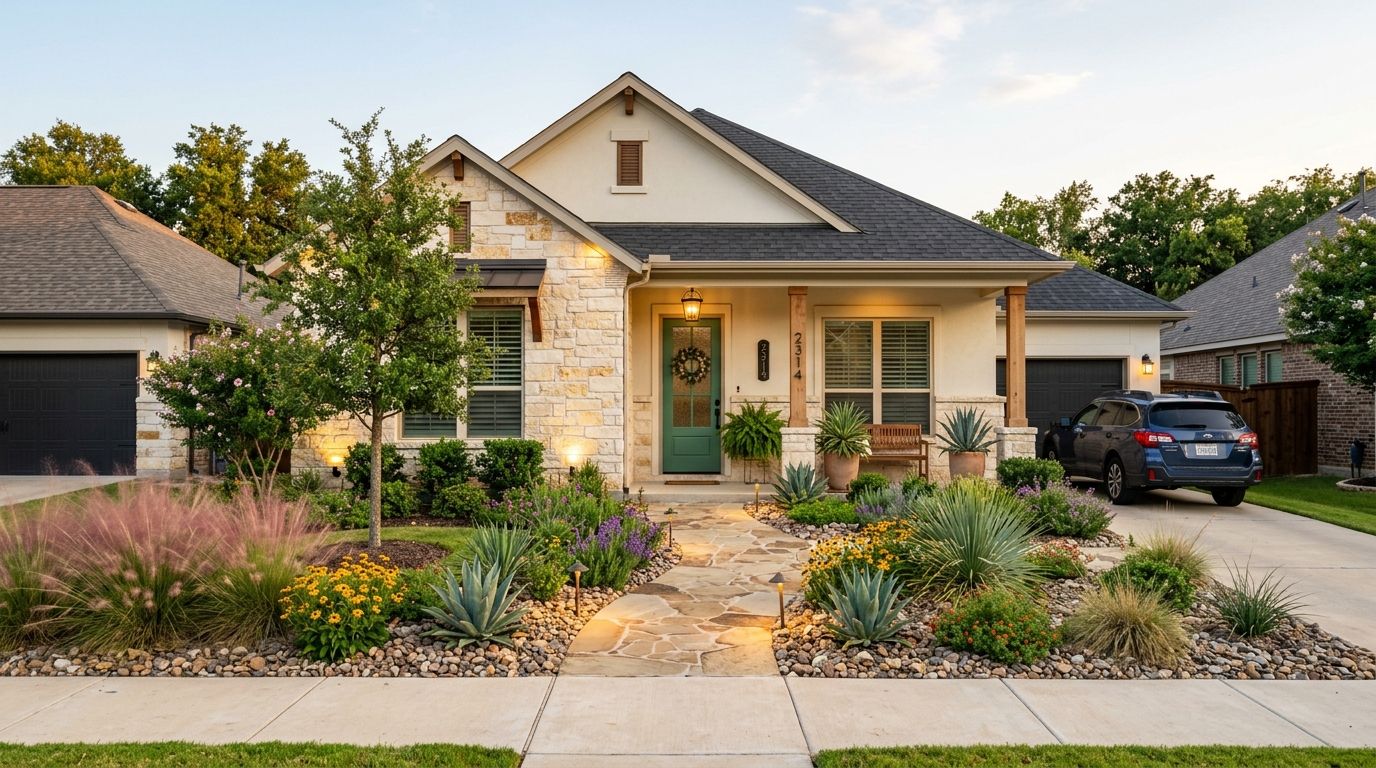
That changes the project list.
A Thumbtack curb appeal survey found that 78% of homeowners say exterior painting is the most impactful upgrade. Paint matters, especially on a home that feels flat or faded from the street. But in North Texas, surface updates alone rarely carry the whole job. Walkways, planting layout, drainage control, and shade structure are usually what keep the front of the house looking intentional instead of temporary.
Start with the entry and facade
If the house needs a fast visual lift, focus on the front door, trim, and anything the sun has bleached or dirtied. In brick-heavy DFW neighborhoods, a door color with real contrast can sharpen the whole elevation. Test samples in morning light and late afternoon light first. Colors that look balanced in the shade can turn harsh in full Texas sun.
Cleaning comes before paint in a lot of cases. Porch concrete, siding, window frames, and fencing collect grime fast here, and that buildup dulls everything around it. After a good wash, some homes need repainting. Others just need cleaner surfaces and a few repairs.
A few facade upgrades consistently read well from the street:
- Front door repainting that works with the masonry, trim, and roof color
- Updated light fixtures sized correctly for the porch and visible after dark
- Clean windows and frames because glass reflects light and draws the eye
- House numbers and mailbox updates that make the frontage look current, not pieced together
Improve the yard's framework first
North Texas homeowners often spend money on seasonal color before the front yard has any structure. That usually leads to a nicer photo for a few weeks, then a tired look once the bloom cycle passes or the heat sets in.
Start with the framework:
- Clear bed lines that hold their shape
- Fresh mulch installed at the right depth
- Removal of dead or declining material
- Shrub reduction or replacement where plants have outgrown the space
- A better balance between lawn, planting areas, and the route to the front door
This is also where the climate-resilient side of curb appeal really shows up. If water sits near the walk after storms, if mulch washes into the driveway, or if west-facing beds bake every summer, those are design problems, not just maintenance problems. Fixing grade, adjusting bed layout, adding stone where splash is constant, or choosing tougher plant material often makes a bigger difference than adding more flowers.
Plant choice matters, but placement matters more. Yaupon holly, Texas sage, dwarf yaupon selections, lomandra, muhly grass, and other heat-tolerant options generally hold up better than thirsty, tender material. Use seasonal color as an accent. Don't ask it to carry the whole front yard.
If you're considering a larger update, this example of a front yard redesign in Dallas shows how layout, spacing, and hard surfaces can work together instead of reading like a series of unrelated fixes.
Field note: If the shrubs are oversized and the path to the door feels secondary, the house will still read as flat no matter how many annuals go in.
Don't overlook the walkway
Walkways do more than move people from the driveway to the porch. They organize the front of the home visually. A solid walk gives the yard direction, gives the entry more presence, and helps buyers and guests read the property as cared for.
In a lot of DFW neighborhoods, the highest-return walkway work is basic but important. Clean stained concrete. Repair cracks. Reset areas that have settled. Widen a path that feels pinched. Tighten edges so turf and mulch are not creeping across the surface. Those corrections are not flashy, but they change the first impression quickly.
If the existing path drains poorly, address that before spending on decorative upgrades. A prettier walkway that holds water will always look like a problem.
Lighting and layering matter at night
A house that disappears after sunset loses part of its curb appeal, especially in winter when people get home after dark. Good outdoor lighting supports safety first and appearance second.
Use it to:
- Define the walkway so the route to the entry is obvious
- Light the front door and porch without creating glare
- Highlight one tree or architectural feature to give the yard depth
- Fill dark corners near beds and side walls so the frontage feels finished
Plant layering does similar work during the day. Keep lower material near the walk, step up the height as planting moves back, and use one small tree or upright anchor plant where it helps draw attention toward the house.
What falls short is usually predictable. Random plant purchases, oversized foundation shrubs, and disconnected hardscape pieces make the front yard feel patched together. Structure and planting are what make the whole property feel finished.
Budgeting Your Curb Appeal Transformation
A good budget starts with diagnosis, not shopping. In DFW, I'd rather see a homeowner spend $1,500 fixing runoff and irrigation coverage than spend the same money on new plants that will struggle through the first hot stretch or wash out in the next hard storm.
That is the core budget question. Are you paying to make the front yard prettier, or are you paying to make it work better first?
If the property mostly looks tired, a cleanup may be enough. If water sits near the walk, the lawn is getting uneven coverage, or beds are baking against the foundation, cosmetic updates will not hold up for long.
Spend in the right order
Put projects into three groups before you price anything:
- Visible upkeep such as pruning, mulch, pressure washing, edging, and removing dead material
- Functional repairs such as drainage corrections, irrigation adjustments, soil improvement, or walkway repair
- Design upgrades such as lighting, new bed shapes, added screening, or a stronger entry focus
That order matters in North Texas. Heat exposes weak plant choices fast, and heavy rain exposes grading mistakes even faster. If the basics are off, decorative work usually has to be redone.
DFW curb appeal projects by budget
| Budget Tier | Example Projects | Estimated Cost (DFW) | Impact Level |
|---|---|---|---|
| Under $500 | Fresh mulch, dead plant removal, basic pruning, pressure washing touch-ups, mailbox or house number refresh | Up to $500 | High when the yard is in decent shape but looks worn |
| $500 to $2,000 | Bed cleanup, shrub reshaping, selective seasonal color, front door repainting, small lighting updates, irrigation tune-up | $500 to $2,000 | Strong visual improvement without major construction |
| $2,000 to $7,500 | Plant replacement, bed redesign, drainage work in problem areas, walkway repairs, irrigation improvements | $2,000 to $7,500 | High because it improves appearance and day-to-day performance |
| $7,500 and up | New irrigation system, full front-yard redesign, major hardscape work, large planting and lighting installation | $7,500 and up | Best for properties with layout, drainage, and structure problems |
These are planning ranges, not fixed prices. Clay soil, access, tree roots, drainage needs, and plant size can shift costs quickly in DFW.
Where budgets usually get wasted
The biggest mistake is buying finish materials before solving site problems.
Common examples include:
- Installing new plants before correcting drainage
- Adding color to beds that do not have reliable irrigation coverage
- Replacing concrete or stone that only needed cleaning and repair
- Filling every empty space with small plants that will need years to mature
- Choosing water-hungry or heat-sensitive material for a west-facing front yard
I also see homeowners overspend on variety. Too many plant types usually raises replacement costs and makes the front yard harder to maintain. A tighter plant palette often looks cleaner and holds up better through summer. If you want longer-term value, start with native plants for North Texas and other well-adapted choices that can handle reflected heat and inconsistent rainfall.
Where it makes sense to spend more
Some properties need more than a cleanup. If the front yard has poor grading, outdated irrigation, no shade strategy, or an entry sequence that feels disconnected, patchwork spending gets expensive.
In those cases, a coordinated plan usually saves money over time because the work happens in the right order. Drainage first. Water coverage next. Then plantings, lighting, and finish details.
That is how you get curb appeal that still looks good after a North Texas summer, not just the week after installation.
The DFW Seasonal Maintenance Calendar
A lot of “low-maintenance” landscaping advice falls apart in this climate. What looks finished in early spring can lose shape, color, and definition by late summer if nobody's tending it. In DFW, maintenance isn't a bonus. It's part of the design.
That's backed up by local trend data. 57% of DFW homeowners report that their property's exterior loses 40% of its visual impact within 6 months, and 72% of low-maintenance plantings still need 2 to 3 seasonal refreshes a year. That lines up with what most contractors see on the ground. Beds thin out, mulch fades, heat stress shows up fast, and a once-clean design starts looking uneven.
Spring is for reset
Spring is when you correct what winter exposed and prepare the yard for heat.
Focus on:
- Cleaning beds by removing dead growth, leaves, and winter debris
- Checking irrigation coverage before hot weather arrives
- Refreshing mulch where it has thinned or washed away
- Pruning selectively so shrubs regain shape without getting butchered
- Replacing failed material while conditions are still favorable
If you're using regionally adapted material, a guide to native plants for North Texas can help you choose plants that need less intervention once summer arrives.
Summer is about protection, not perfection
Summer curb appeal in DFW depends on discipline more than ambition. This is the season when people overprune, underwater some zones, overwater others, and stress plants that were already on the edge.
What matters most:
- Smart watering based on coverage and plant needs, not guesswork
- Watching for heat stress near pavement, stone, and west-facing exposures
- Removing burned-out annuals instead of letting them drag down the whole bed
- Keeping edges crisp because lawn and bed lines get sloppy quickly in active growth
- Checking drainage after storms even in hot months, since downpours can still erode beds
Summer maintenance in North Texas is less about making the yard bloom and more about helping it stay composed.
Fall is the repair window
Fall is one of the best times to recover curb appeal. The stress of peak heat starts easing, and you can address what summer exposed.
Good fall tasks include:
- Reworking bed lines that softened through the season
- Adding or adjusting shrubs and trees where spacing or scale was off
- Feeding turf and other planted areas where appropriate
- Refreshing focal areas near the entry, porch, and walkway
- Cleaning hardscape and siding so cooler light makes the home look sharp again
Winter is for structure
Winter doesn't bring the lush look people associate with curb appeal, but it does reveal whether the design has good bones. You can suddenly see poor spacing, awkward shrub shapes, and bare spots that summer foliage had been hiding.
Use winter to assess:
- Plant structure
- Branch clearance
- Drainage behavior after cold-season rains
- Hardscape condition
- Whether clutter has crept back into view
The homeowners who keep strong curb appeal year-round aren't doing one giant makeover. They're doing steady seasonal corrections.
When to Call the Experts for Your Landscape
Some curb appeal work is perfect for a weekend. Cut back overgrowth. Repaint the front door. Pressure wash the walkway. Replace dead annuals. Those are solid DIY moves.
The trouble starts when the problem isn't cosmetic. That's where many North Texas homeowners lose time and money.

Drainage is the clearest example. A front yard can have fresh mulch, nice lighting, and new plants, then still look rough because water pools near the walk, mud splashes onto the facade, and the lawn stays soggy in all the wrong places. In North Texas, homes with visible exterior water damage can sell for 12–15% less, and functional drainage is still missing from 90% of DIY curb appeal guides. That's why drainage deserves more attention than it gets.
Signs the project has moved past DIY
Call in help when you see problems like these:
- Water standing near the house or driveway after rain
- Recurring erosion that keeps washing mulch or soil away
- Foundation staining or persistent muddy zones
- Multiple outdoor elements interacting badly, such as irrigation, grading, and plant decline
- Walkway settlement or safety issues
- A front yard that needs redesign, not just cleanup
These aren't just appearance problems. They affect longevity, safety, and whether your upgrades will last.
What professional help should cover
A good site design team should be able to look at the whole site, not just one symptom. That means checking grading, runoff patterns, irrigation performance, hardscape condition, plant suitability, and ongoing maintenance needs as one connected system.
For homeowners in Dallas, articles on why professional landscape maintenance matters in Dallas climate can help clarify why so many attractive installs decline when nobody accounts for local weather and seasonal workload. For bigger projects, one option is Rosewood Outdoor Group, which handles design, drainage, irrigation, hardscaping, seasonal services, and plant health care across DFW.
If a yard keeps failing in the same spot, stop treating it like a plant problem until you've ruled out water movement, grade, and coverage.
The best curb appeal work in North Texas looks easy from the street. Behind that look, there's usually solid planning, proper sequencing, and maintenance that matches the climate.
If you want help turning a stressed or uneven front yard into an outdoor space that fits DFW conditions, Rosewood Landscape Group can evaluate the site, identify issues like drainage and irrigation problems, and build a practical plan for cleaner, longer-lasting curb appeal.
Related posts
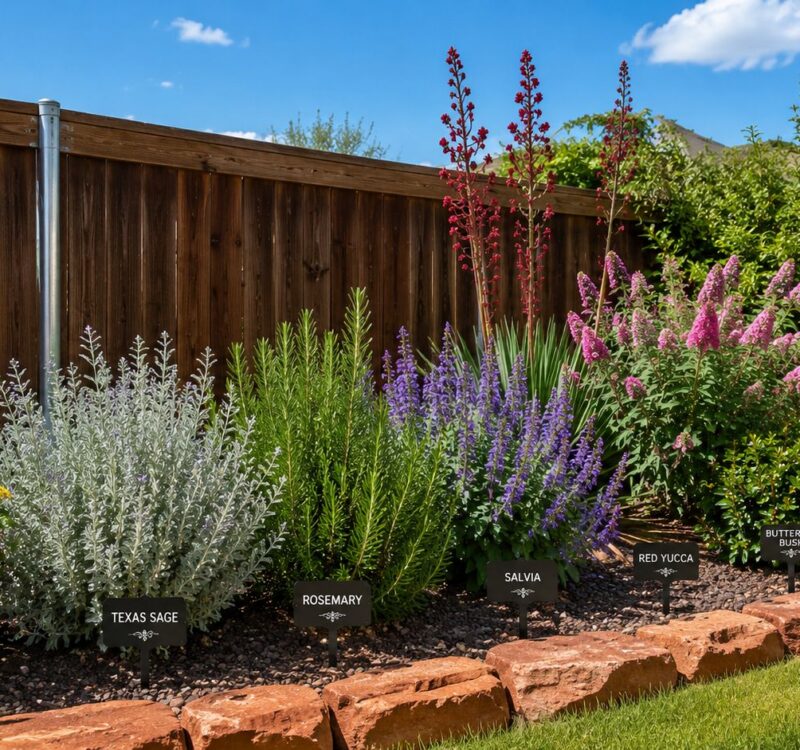
8 Best Shrubs for North Texas Landscapes in 2026
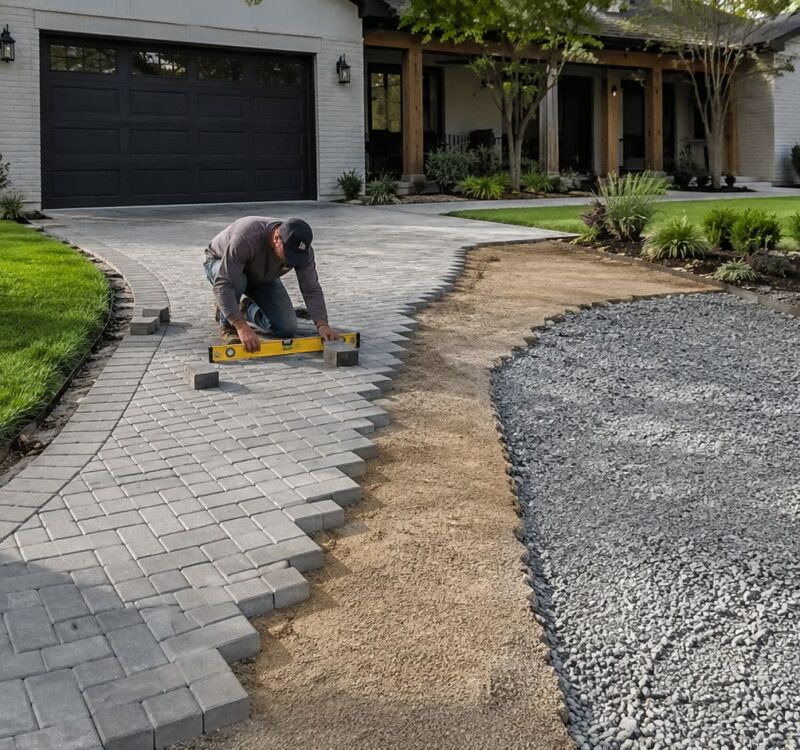
Permeable Paver Installation: A DFW Homeowner’s Guide
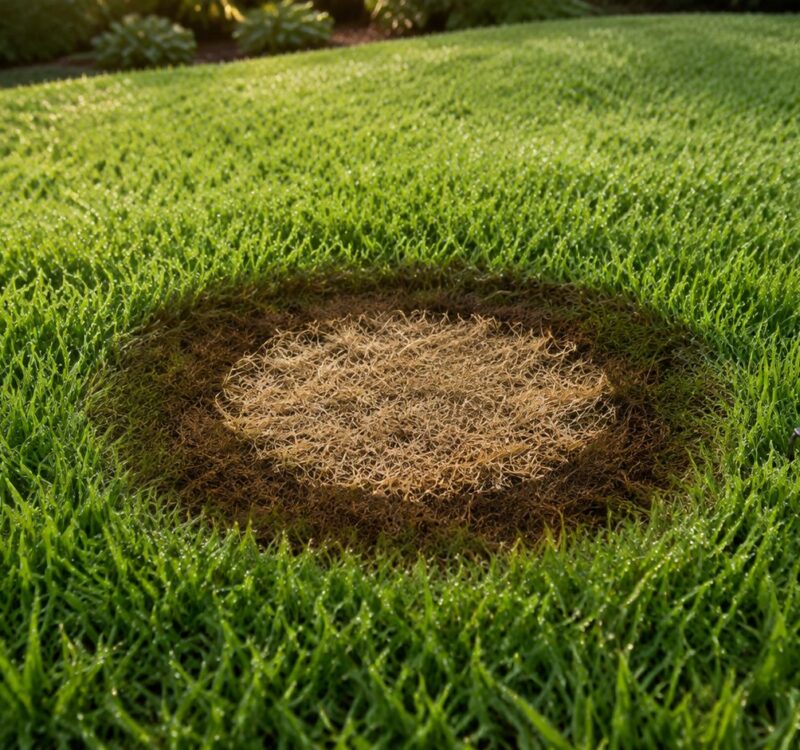
Zoysia Grass Fungus: Identify, Treat & Prevent in 2026
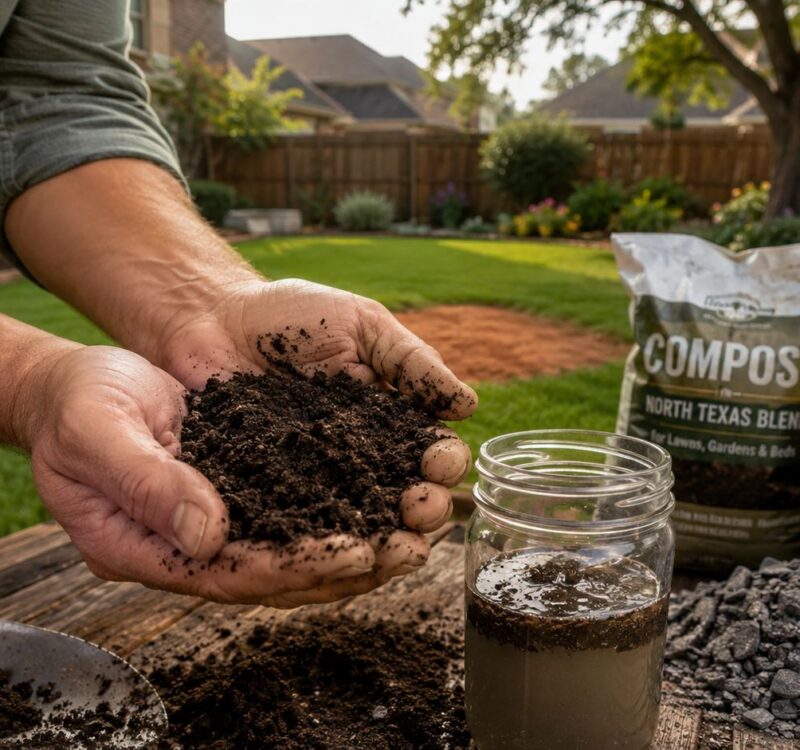
How to Improve Soil Quality: Easy Ways to Improve Soil
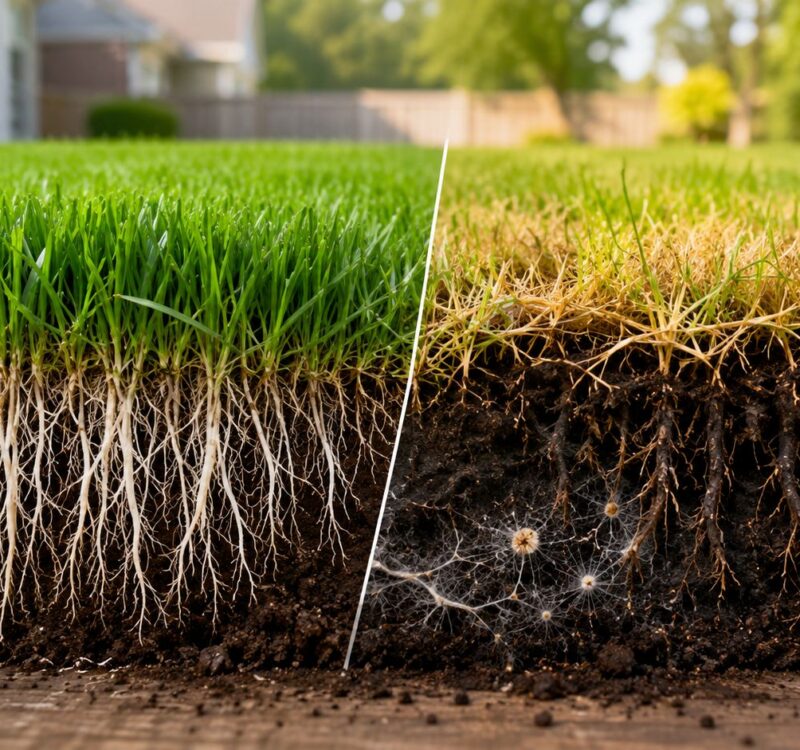
Take All Root Rot: Diagnose & Treat Your Lawn