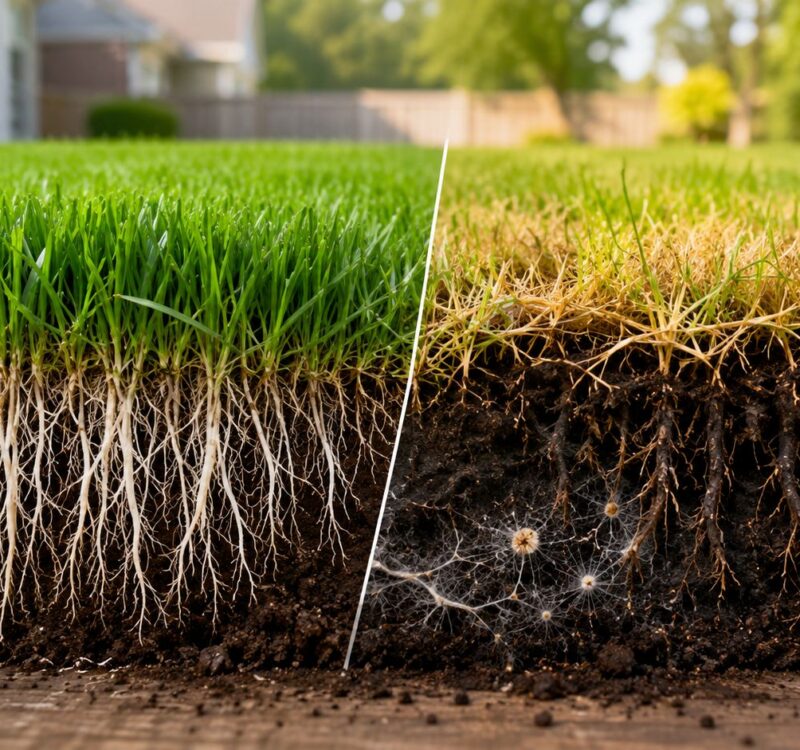
In Dallas-Fort Worth, this decision usually starts the same way. A homeowner has spent another summer watching St. Augustine thin out, sprinkler zones miss spots, and the side yard turn into a patchwork of green, brown, and bare clay. The lawn looked good in spring. By late July, it's a negotiation with heat, watering limits, foot traffic, and the kind of black gumbo soil that stays slick after rain and concrete-hard after a dry stretch.
That frustration is real. North Texas doesn't give lawns an easy assignment. Long heat waves stress turf, heavy clay slows drainage, and many neighborhoods add another layer with HOA expectations about curb appeal and weed control. A lawn here has to do more than look green from the street. It has to survive the climate, fit the way your family uses the yard, and stay manageable without turning into a weekly project.
The DFW Lawn Dilemma An Introduction
A lot of local homeowners reach the same fork in the road. They can keep working with natural grass and improve the soil, irrigation, grading, and maintenance around it. Or they can replace all or part of the lawn with synthetic turf and trade living plant care for a manufactured surface with a different set of strengths and drawbacks.
That's why the synthetic turf vs natural grass question is so common in DFW. It isn't just about appearance. It's about whether your yard gets full western sun, whether kids and dogs wear out one corner every day, whether runoff moves toward the foundation, and whether you want to spend weekends mowing or want the space to stay presentable.
A front yard in Highland Park, a compact courtyard in Uptown, and a family backyard in Frisco shouldn't get the same answer. The right surface depends on use, exposure, drainage, and expectations. North Texas rewards practical design more than idealistic design.
For many properties, the best answer isn't even all one or the other. It's a mix. Natural grass where cooling, softness, and a traditional look matter most. Synthetic turf where traffic never lets grass recover, or where narrow side yards and shaded dog runs stay muddy and worn. That kind of site-by-site thinking matters more than broad claims.
If your yard keeps struggling, it helps to start with a local design lens instead of a generic lawn debate. This guide follows the same North Texas logic used in yard designs that thrive in North Texas. The climate and soil drive the decision more than marketing does.
The True Cost of a Perfect Lawn
The first number most homeowners ask for is installation price. That matters, but it rarely tells the full story. In DFW, the more useful question is this: what will this lawn cost you to own, maintain, and live with over time?
The comparison that matters most
Natural grass usually enters the conversation with a lower upfront barrier. Synthetic turf usually arrives with a higher installation quote because base prep, edging, seam work, and drainage details have to be done correctly. But sticker price alone misses what happens after year one.
Here's a practical side-by-side view.
| Lifecycle Cost Comparison Synthetic Turf vs Natural Grass (10-Year Estimate) | Natural Grass (St. Augustine) | Synthetic Turf (Mid-Grade) |
|---|---|---|
| Initial installation | Usually lower upfront, but varies with grading, sod, irrigation fixes, and soil work | Usually higher upfront due to excavation, compacted base, turf material, infill, and finish work |
| Water use | Ongoing irrigation demand, especially in summer | No routine irrigation for growth, though occasional rinsing may still be needed |
| Mowing and edging | Recurring | None |
| Fertilizer and weed control | Recurring | Not required for plant growth, but weed prevention at edges may still be needed |
| Repairs from wear | Traffic can create bare spots, compaction, and mud | Seams, infill movement, and fiber flattening may need periodic attention |
| Drainage corrections | May need aeration, regrading, or soil amendment over time | Drainage has to be built correctly at installation or problems show up fast |
| Appearance consistency | Seasonal swings and stress patches are common in DFW | More visually consistent if maintained and kept clean |
| 10-year ownership pattern | Lower entry cost, higher recurring upkeep | Higher entry cost, lower routine lawn-care workload |
What homeowners often miss
The hidden cost with natural grass isn't just water. It's the accumulation of recurring tasks: mowing, edging, fertilizing, weed control, irrigation adjustment, fungus or pest response, and repair after a bad season. In black gumbo clay, compaction and drainage can also turn a healthy lawn into a recurring rehab project.
Synthetic turf flips that equation. The yard won't need mowing, fertilizer, or turf-specific irrigation to stay green. But the installation has to be right. If the crew skips proper base compaction, doesn't account for runoff, or ignores low spots, you don't get a maintenance-free lawn. You get an expensive surface with drainage headaches.
Practical rule: If you're comparing bids, compare site prep first. The visible surface matters less than the work underneath it.
DFW-specific cost pressure points
A North Texas lawn budget usually gets shaped by four things:
- Sun exposure: Full-sun lawns often need more irrigation attention and recover more slowly after stress.
- Soil behavior: Clay expansion and compaction can affect both sod performance and turf base stability.
- Foot traffic: Dogs, kids, and repeated paths wear out natural grass quickly.
- Neighborhood standards: HOA expectations can push owners toward a more consistently polished finish.
If you're pricing turf seriously, it helps to review a local breakdown of artificial turf installation cost per square foot so you know which line items are doing real work and which ones are just sales language.
The most expensive option isn't always the one with the higher proposal. It's the one that doesn't fit how the property is used.
Daily Life and Maintenance Needs
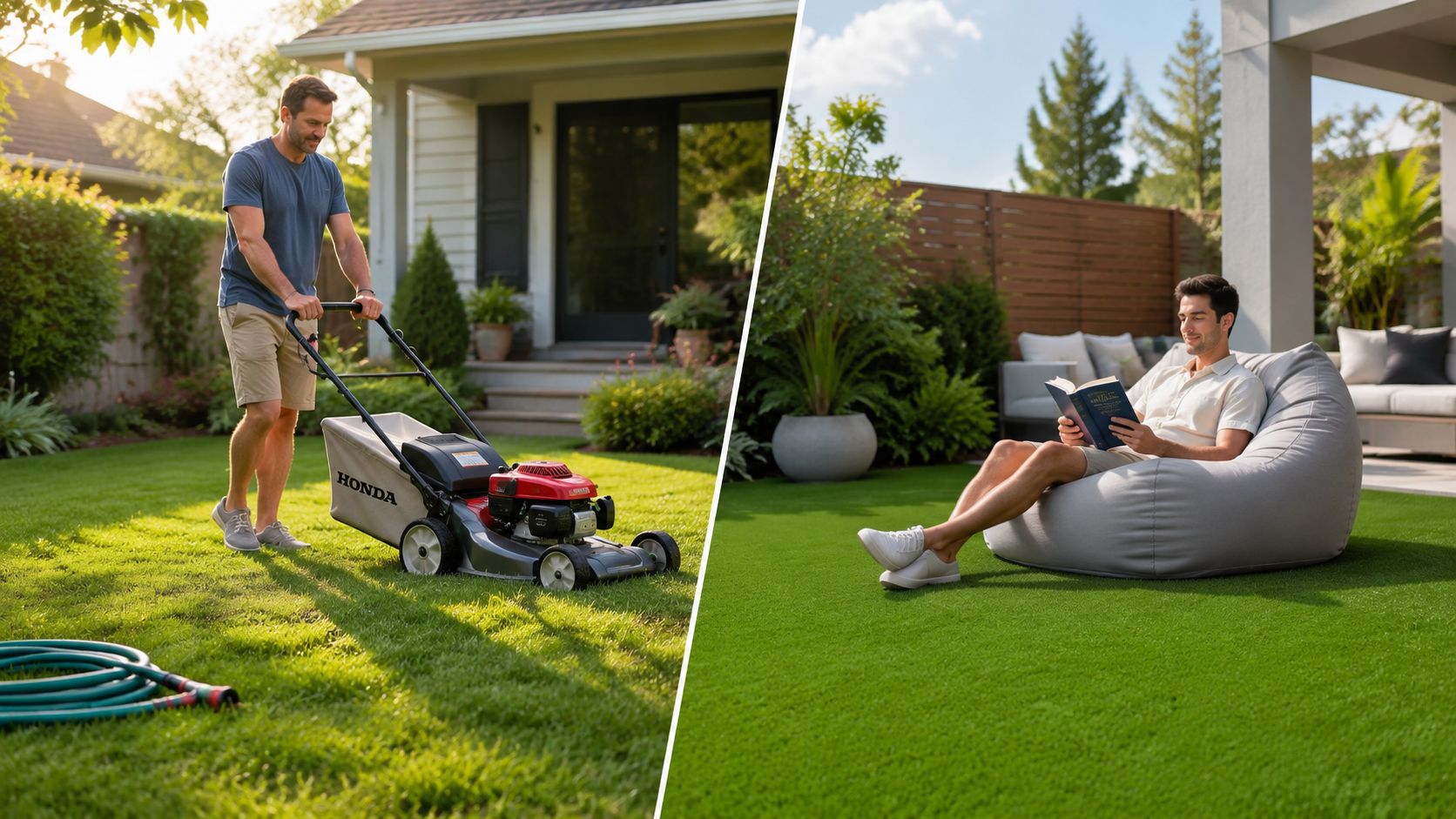
A lawn choice shapes your weekends. That's often what decides it.
What natural grass asks from you
Natural grass is active landscaping. It responds to care, but it also demands it. In DFW, that usually means mowing through the growing season, edging hard lines, watching sprinkler coverage, and responding when one zone dries faster than the others.
Then there's the troubleshooting. Brown patch might be irrigation, compaction, chinch bugs, dull mower blades, runoff, pet damage, or just heat stress. Real grass gives you a softer, cooler surface, but it also expects observation and course correction.
A typical routine often includes:
- Weekly attention: Mowing, edging, and a quick scan for dry spots or weeds.
- Monthly adjustments: Irrigation checks, trimming around beds, and evaluating traffic damage.
- Seasonal work: Fertility programs, aeration, overseeding or patch repair, and storm recovery.
What synthetic turf asks instead
Synthetic turf cuts out most traditional lawn chores. There's no mowing schedule to keep up with and no fertilizer program to maintain. For busy households, that alone is a major lifestyle shift.
But “low maintenance” isn't the same as “no maintenance.” Turf still needs debris removed, occasional rinsing, and brushing to keep fibers from matting down in high-use areas. Pet households usually need more frequent cleaning than purely decorative spaces.
Turf works best for homeowners who want consistency, not for homeowners who expect a surface they never have to touch again.
Which routine fits your household
If you enjoy lawn care and like the sensory side of real grass, the work may feel worth it. A healthy lawn has texture, cooling value, and a look that synthetic turf still doesn't fully duplicate in large open spaces.
If your schedule is full and yard work feels like unfinished homework, synthetic turf solves a different problem. It gives you back time. That's why many homeowners pair it with a simpler planting palette and a smarter service plan like ongoing lawn care in Dallas, Texas for the parts of the outdoor areas that remain living and seasonal.
Heat Comfort and Safety in the Texas Sun
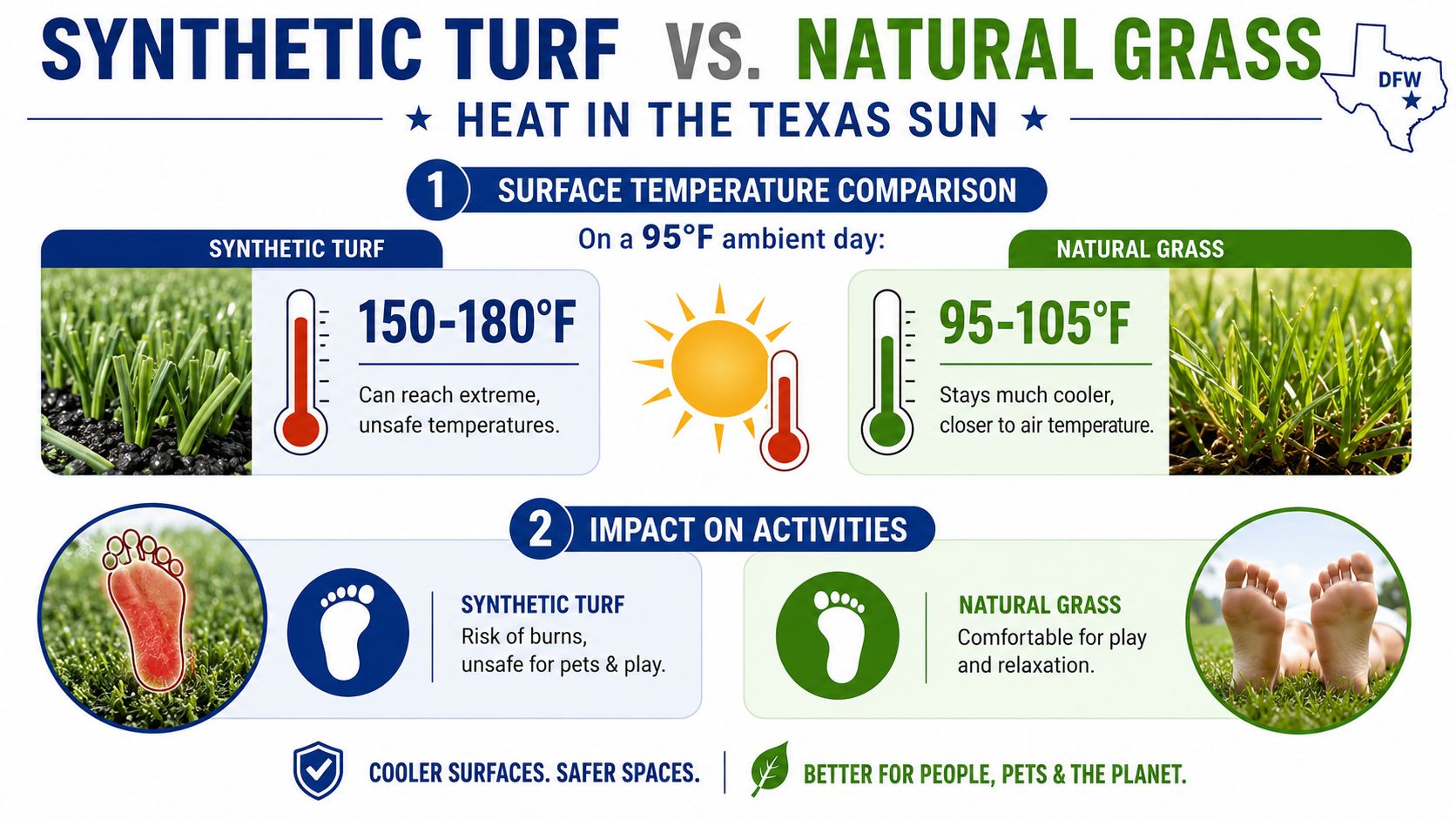
In North Texas, this is the issue that deserves the most honesty. A synthetic surface can look clean and polished in July and still be unpleasant, or unsafe, to use during the hottest parts of the day.
Surface heat changes the whole decision
The most important comfort difference in the synthetic turf vs natural grass conversation is temperature. According to research on turf safety and heat retention, surface temperatures on synthetic turf can be 20–37°C hotter than natural grass under similar conditions, and one study found synthetic turf 86.5°F hotter than natural turf.
That matters in DFW because summer heat isn't occasional. It's sustained. A backyard surface that looks usable from the patio door may be too hot for bare feet, too hot for a dog to lie on, or too uncomfortable for children to play on for long.
Why natural grass feels different
Natural grass cools itself through evapotranspiration. That living process is one reason a grass lawn often feels noticeably better in direct sun than adjacent hardscape or synthetic materials. You're not just comparing green surfaces. You're comparing a living cooling system to a manufactured one that absorbs and holds heat.
Synthetic turf manufacturers have introduced products and infill systems aimed at reducing heat buildup. Some help at the margins. None change the fact that a sun-exposed synthetic surface in a North Texas summer remains a heat management issue.
If the area is meant for barefoot use, midday play, or pet lounging in full sun, temperature should move to the top of the decision list.
Where turf heat creates the most problems
The toughest locations are usually the most desirable ones architecturally:
- Poolside zones: Turf keeps mud out of the water, but full-sun surfaces can become harsh underfoot.
- South- and west-facing backyards: These areas collect heat for hours and hold it late into the day.
- Play spaces without tree canopy: Kids use them hard, which makes safe surface temperature even more important.
- Small enclosed courtyards: Heat can linger when surrounding masonry reflects it back into the space.
For decorative applications, synthetic turf can still make sense. For active-use surfaces in direct sun, homeowners should be very cautious. In DFW, the heat trade-off isn't theoretical. It changes whether the yard feels welcoming or avoided for much of the season.
Environmental and Drainage Considerations
A good lawn decision in North Texas has to address water and drainage at the same time. Most yards don't fail for one reason. They fail because several systems clash. Clay soil holds water too long after storms, then hardens when it dries. Irrigation adds another variable. Surface choice changes how the whole area behaves.
Water savings versus material concerns
Synthetic turf appeals to many DFW homeowners because it reduces the need to irrigate a lawn for growth. That matters during dry stretches and under watering restrictions. If your current yard needs frequent attention just to stay presentable, the appeal is obvious.
Natural grass, though, brings ecological benefits a manufactured surface doesn't. It's living groundcover. It supports soil biology, cools the site, and integrates more naturally with planting beds and trees. For some homeowners, those qualities matter as much as lower maintenance.
The material side of synthetic turf deserves scrutiny too. A 2024 report on artificial turf environmental concerns identifies PFAS, often called “forever chemicals,” as a major exposure risk absent in natural grass. The same report notes that 85% of soil samples near artificial pitches contained microplastics, and in Sweden, such fields were identified as the second-highest microplastic contributor to waterways.
Why drainage design matters in black gumbo soil
In North Texas, the bigger practical mistake is treating synthetic turf as a drainage solution by itself. It isn't. Turf can drain well when the base, grading, and outlet strategy are correct. It can also trap trouble when installers ignore low spots or assume permeable backing will overcome poor site prep.
Natural grass has its own drainage limits. Clay-heavy yards compact easily, especially where dogs run or people cut the same path repeatedly. Once that happens, runoff increases, roots struggle, and muddy zones linger after rain.
Here's the local rule set that matters most:
- Slope first: Surface choice won't fix bad grading.
- Outlets matter: Water needs somewhere to go after it moves through or across the surface.
- Foundations come first: Lawn decisions should never increase pooling near the house.
- Traffic concentrates damage: Entry points, side yards, and fence lines usually need special treatment.
A beautiful lawn that sends water toward the slab is a landscape failure, no matter how green it looks.
The balanced view
If water conservation is your top priority, synthetic turf has a clear practical advantage. If heat, ecology, and living soil matter most, natural grass remains the stronger choice. In many DFW projects, the best result comes from using each material where it performs best and letting drainage strategy lead the layout.
Best Use Cases for DFW Properties
The right answer gets clearer when you stop asking which surface is “better” and start asking where each one performs best.
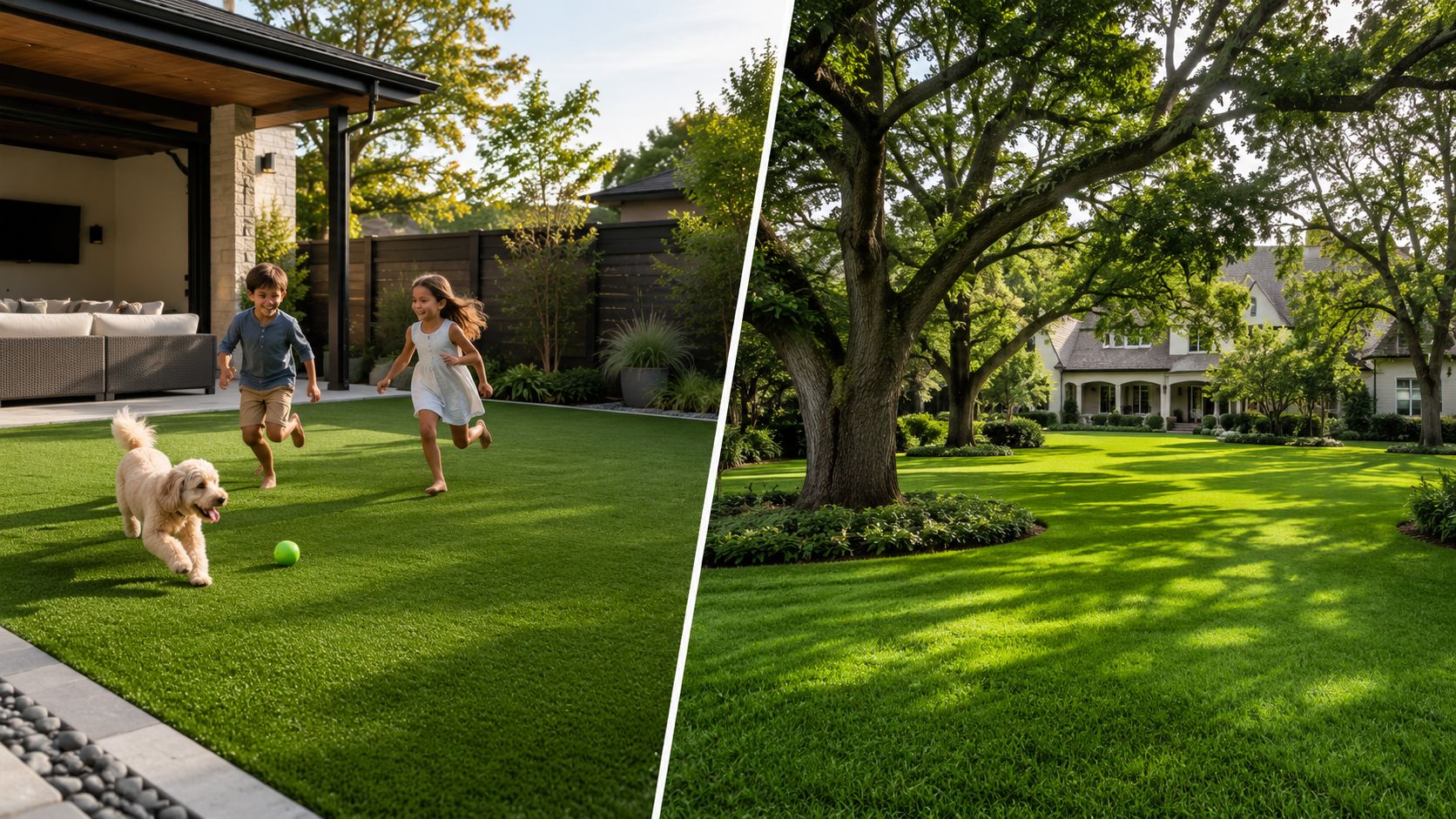
Where synthetic turf usually wins
Synthetic turf is strongest in spaces that are used hard and judged visually every day. Modern synthetic turf fields can support up to 3,000 hours of play per year, which is two to three times the usage of natural grass fields, according to usage comparisons for synthetic and natural athletic fields. That same durability logic carries into residential and commercial outdoor area design.
The best local fits often include:
- Small side yards with dogs: These spaces get concentrated traffic, stay messy, and are hard to keep attractive with grass.
- Courtyards and narrow modern yards: Homeowners often want a clean visual plane with minimal maintenance.
- Commercial entries and amenity zones: Consistency matters, and heavy use can ruin natural grass quickly.
- Areas between hardscape elements: Turf can soften the look of pavers, pools, and patios without the mud of real sod.
Where natural grass still earns its place
Natural grass works best where comfort and scale matter more than wear resistance. A large backyard meant for lounging, barefoot play, and long summer evenings feels better in real grass if the site can support it.
It's often the better fit for:
- Large estate lawns: Expansive turf areas usually look more authentic and cooler when they're living grass.
- Tree-rich properties: Lawns under established canopy can feel integrated and park-like.
- Family yards with flexible use: If the lawn shifts between play, entertaining, and visual open space, natural grass offers a more forgiving experience.
- Homes where traditional curb appeal matters: Some neighborhoods still strongly favor the look and feel of real turf.
The hybrid approach that works well in DFW
Many of the best North Texas outdoor areas combine surfaces. Use natural grass in the main lawn where cooling, softness, and visual depth matter. Use synthetic turf in the side run, the dog area, or the tight zone between the pool deck and the fence where grass never gets a break.
That hybrid plan also helps with HOA conversations. A front yard may need the classic look of natural grass, while the fenced backyard can be more performance-driven. Matching the surface to the function usually produces a better long-term result than forcing one material across the entire property.
Your Decision Checklist and Next Steps with Rosewood
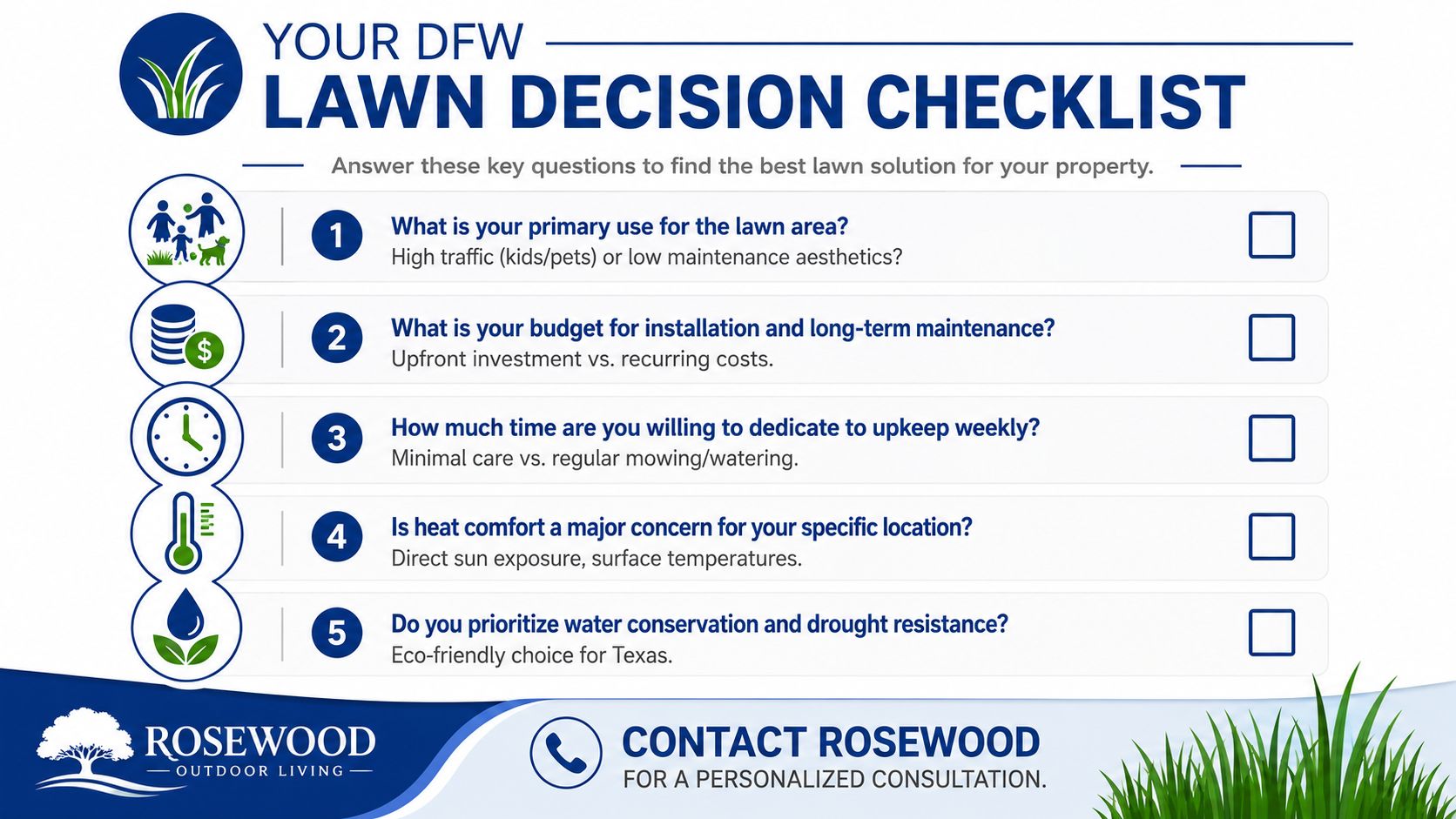
Most homeowners can narrow this decision quickly by answering a few direct questions.
The questions that usually decide it
- How will the space be used? Daily dog traffic, active play, entertaining, or mainly appearance.
- How much summer heat hits the area? Full sun changes the turf conversation fast.
- Do you want a living lawn or a consistent surface? Those aren't the same priority.
- How much upkeep are you willing to handle? Not in theory. In your real weekly schedule.
- Does the yard already have drainage trouble? Clay soil and low spots should be addressed before surface selection.
- What will your HOA expect to see from the street? Some neighborhoods are flexible. Some aren't.
A simple way to read your own answers
If your answers center on low maintenance, heavy traffic, and water savings, synthetic turf probably belongs somewhere on the property.
If your answers center on cooler surface comfort, natural feel, and a traditional lawn experience, natural grass is likely the better fit.
If your answers split down the middle, that usually points to a blended design. That's common in DFW because properties here rarely have one uniform condition from front to back. One zone may be ideal for grass, while another is a constant repair job better solved with turf.
The best lawn decision is usually the one that respects the microclimate of each part of the yard, not the one that applies one material everywhere.
If you want a site-specific recommendation, Rosewood Landscape Group can inspect your grading, sun exposure, irrigation, and traffic patterns across your DFW property and help you decide where natural grass, synthetic turf, or a hybrid layout makes the most sense. Their team handles design, drainage, installation, and ongoing grounds support, which is especially useful when clay soil, water efficiency, and finish quality all need to work together.
Related posts
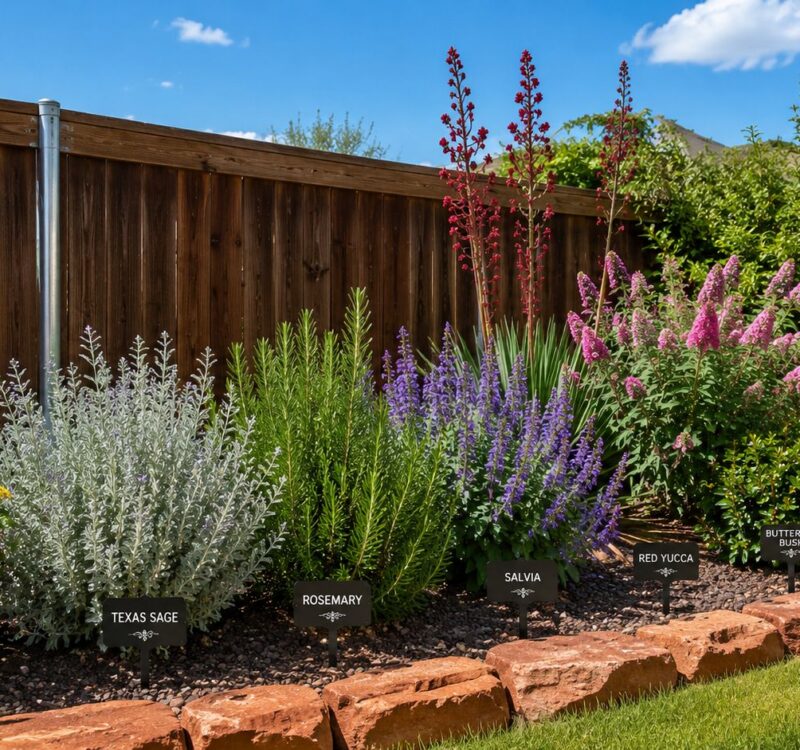
8 Best Shrubs for North Texas Landscapes in 2026
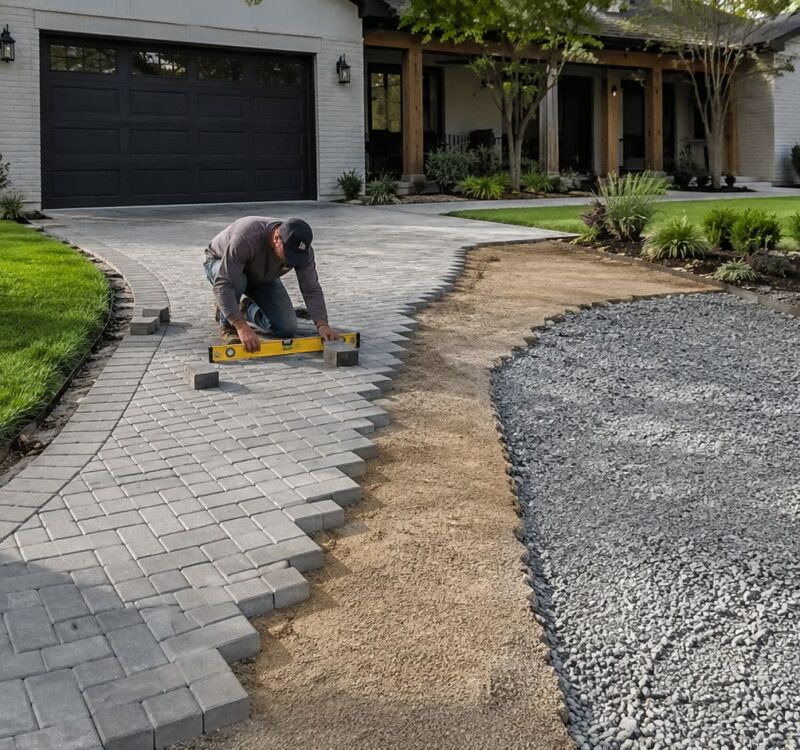
Permeable Paver Installation: A DFW Homeowner’s Guide
Zoysia Grass Fungus: Identify, Treat & Prevent in 2026
How to Improve Soil Quality: Easy Ways to Improve Soil