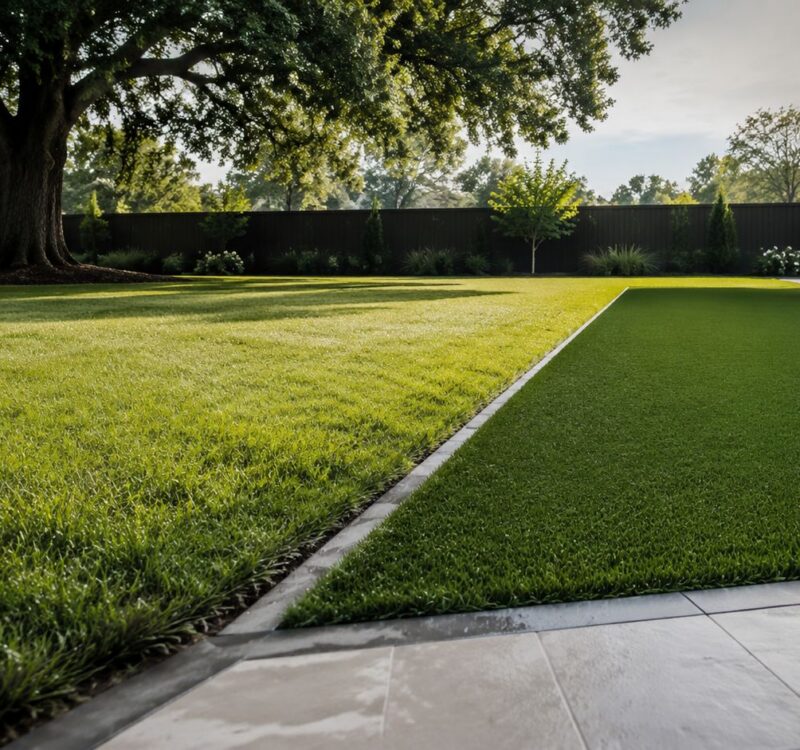
North Texas homeowners usually call about the same problem at the same time. The lawn is burning out, the irrigation seems to run constantly, the beds look tired by August, and the backyard still doesn't feel like a place anyone wants to spend time in. Add a pool, a patio, or an outdoor kitchen, and the whole property can start to feel split in two. One part is hard, hot, and formal. The other part is struggling to stay green.
That's where natural design changes the conversation. Instead of forcing a yard to behave like a cool-season postcard lawn in a hot, erratic climate, it builds around how this region functions. In DFW, that means designing for heat, intense sun, clay soil, runoff, periodic drought, and the fact that one storm can dump enough water to expose every grading mistake on the property.
Natural outdoor design isn't about giving up polish. It's about creating a yard that looks intentional, fits the house, and holds up better under North Texas conditions. When it's done well, it softens hardscapes, reduces the footprint of the highest-maintenance areas, and gives you an outdoor space that feels settled instead of constantly stressed.
Tired of a Thirsty Lawn? There's a Better Way
A lot of homeowners start here. They've spent years trying to keep a broad turf lawn alive through Texas summers, and each year the same cycle repeats. Brown patches show up. Spray heads miss sections or overwater others. The water bill rises. The beds around the lawn are treated like decoration instead of part of the system, so they don't help with shade, drainage, or soil protection.
The frustration gets worse on higher-end properties. A modern pool, clean-lined patio, or outdoor kitchen should make the yard feel more refined. Instead, the surrounding lawn often becomes the weak link. It needs constant input, it struggles at reflected-heat edges, and it rarely looks as crisp as the architecture around it.
Natural site design offers a better path because it starts with the site instead of a generic template. The work is deliberate and professional. The U.S. outdoor design industry is projected to reach a $9.6 billion market size in 2026 according to IBISWorld's landscape design industry report. That matters because this isn't just gardening advice. It's a design discipline built around function, durability, and how people utilize outdoor space.
Practical rule: If your yard only looks good when you're constantly correcting it, the design is fighting the site.
In North Texas, the better approach usually means shrinking turf to the spaces where it earns its keep, then letting planting beds, trees, groundcovers, drainage features, and hardscape transitions do more of the work. A natural design doesn't ask every square foot to perform the same job.
That's why these natural designs age well. They're not trying to be perfect in every season. They're built to stay attractive, usable, and resilient even when the weather isn't cooperating.
What Exactly Is Natural Landscape Design
Natural garden design is not a yard that's been left alone. It's not random plantings, shaggy borders, or a loose collection of native plants dropped into mulch. Done right, it's a curated system that borrows from regional plant communities and organizes them into a garden that looks intentional from the street and feels comfortable in daily use.
Think of it as a designed version of a Texas prairie edge, savanna, or woodland border. The planting is layered. Taller canopy elements create shade and structure. Mid-height shrubs and perennials build mass and seasonal movement. Groundcovers knit the soil together and reduce exposed space where weeds move in. The composition feels softer than a conventional foundation planting, but it's still controlled.
It's designed, not accidental
The biggest misconception is that natural means messy. In practice, the opposite is true. Good natural garden design relies on plant spacing, repeatable forms, clear bed lines, and a strong framework. The garden can look relaxed without looking neglected.
That structure matters most near the house and around hardscaping. If the built elements are crisp and angular, the planting needs enough order to feel connected to them. Repetition of a few strong species usually works better than collecting too many one-off plants.
A naturalistic yard also shifts the mindset from control to collaboration. Instead of asking every plant to behave like a clipped hedge, you choose species that want to live here and place them where the site already gives them a fair chance.
Why layered planting works
Ecological design prioritizes native plants in layered structures from groundcover to canopy, and that approach supports ecological stability and wildlife such as native bees, hummingbirds, and butterflies, as described in research from the University of Texas School of Architecture. That sounds academic, but the practical result is simple. Layered planting performs better.
A bare bed heats up faster, dries out faster, erodes faster, and needs more intervention. A layered bed shades soil, reduces splash during storms, and makes the whole area feel more finished.
Here's the difference in plain terms:
| Approach | What it usually looks like | What usually happens |
|---|---|---|
| Conventional sparse bed | Widely spaced shrubs in mulch | More open soil, more weeds, more heat stress |
| Layered natural bed | Trees, shrubs, perennials, and groundcovers working together | Better coverage, better habitat, more visual depth |
A natural landscape should look like someone planned it carefully, not like nature happened by accident.
That's the standard homeowners should use. If it looks chaotic, it isn't because the concept failed. It usually means the layout, spacing, or maintenance plan was weak.
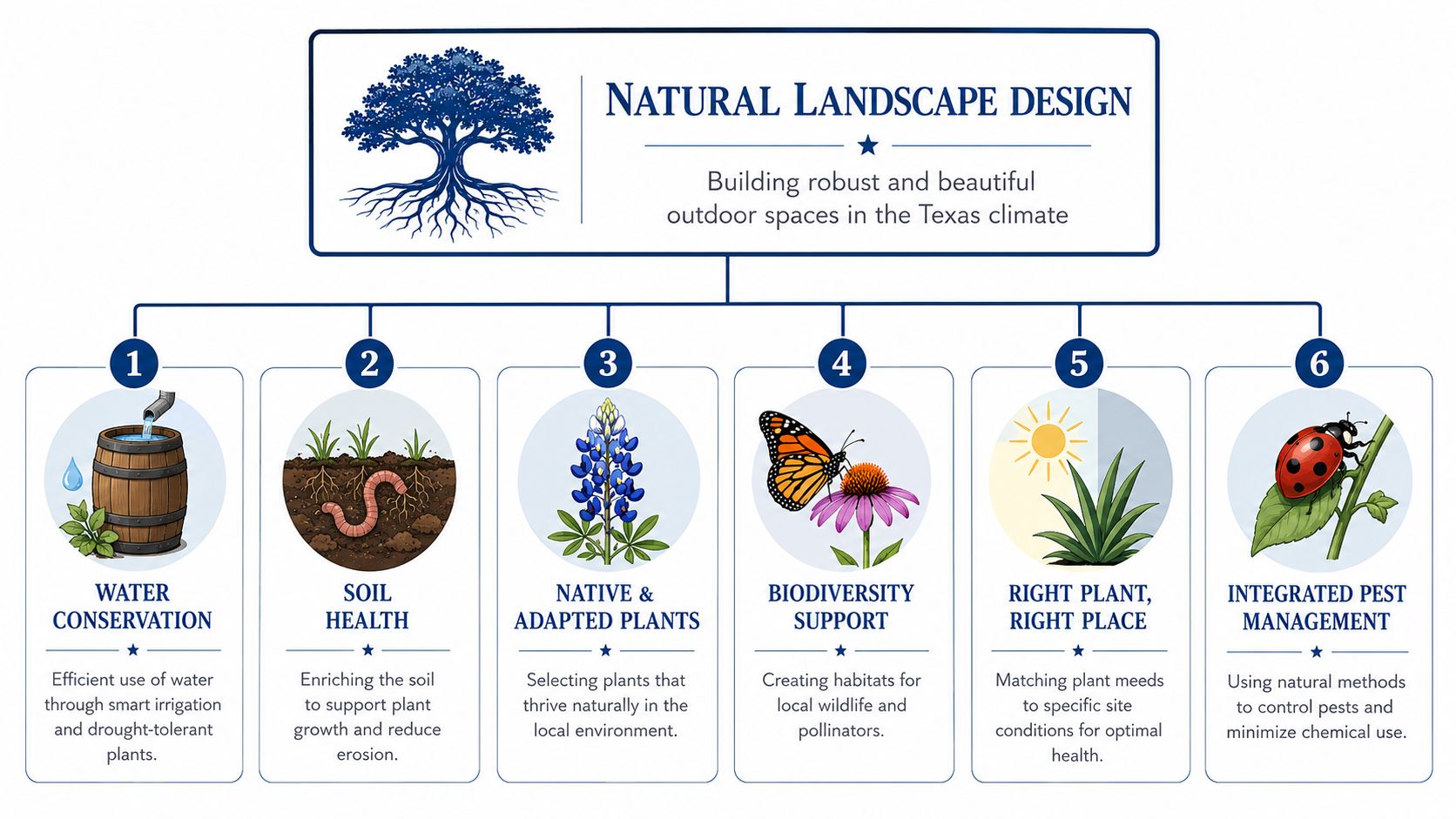
The Six Pillars of a Resilient Texas Garden
The best natural areas in DFW aren't built around a plant list alone. They're built on a set of practical decisions that keep the yard stable through heat, runoff, and normal wear from family life.
Start with plants that belong here
Native and adapted plants usually outperform imported favorites that need constant coddling. In North Texas, the climate punishes weak choices quickly. Plants that can handle heat, variable rainfall, and local soils give you a better foundation from the start.
That doesn't mean every plant must be strictly native. It means the palette should be climate-aware and site-aware.
Build in layers, not rows
Rows of isolated shrubs rarely solve real garden problems. Layering does. When groundcovers, perennials, shrubs, and trees work together, the soil stays more protected and the garden looks fuller without depending on annual replacement.
This also helps natural beds read as intentional around luxury hardscaping. Density, when handled correctly, feels refined. Thin plantings often look unfinished.
Treat soil and drainage as design issues
North Texas yards can go from cracked dry soil to runoff problems fast. Soil health and drainage aren't side notes. They shape whether the yard settles in or struggles.
Professional guidance often recommends replacing impervious surfaces with permeable paving and moving runoff into on-site features such as rain gardens and bioswales. It also recommends reducing lawn on steep slopes in favor of native canopy and understory planting, as outlined in this overview of what professional landscape design includes.
Water with precision
Water-wise irrigation isn't the same as neglect. It means applying water where roots need it and adjusting for exposure, slope, and plant type. Turf, shrubs, and perennials should not all be watered as if they have identical needs.
For homeowners exploring lower-water approaches, xeriscaping in Texas is useful context because it reinforces the same core principle. Design the outdoor space so it demands less, then irrigate the remaining needs intelligently.
Reduce turf where it underperforms
Most lawns in DFW have areas that never justify their upkeep. Narrow side yards, steep banks, deep shade under trees, and hot strips along paving are common examples.
Those spaces usually perform better as planting beds, gravel paths, or groundcover zones. Saving turf for open play space and visual relief gives you a cleaner, more durable layout.
Make habitat part of the plan
A resilient garden also supports life beyond the homeowner. Dense groundcovers, layered planting, and water features such as a birdbath or small basin can make a yard feel active instead of sterile.
That benefit isn't separate from aesthetics. Movement from birds, pollinators, grasses, and seasonal bloom is part of what makes a natural setting feel alive.
Designing for DFW Plant Palettes and Hardscapes
In Dallas-Fort Worth, plant selection and hardscape design have to be developed together. If they're handled separately, the result usually feels disjointed. The house and pool area may look sharp, but the planting looks like an afterthought. Or the planting may be attractive on its own, yet it overwhelms the clean geometry of the built space.
A practical plant palette for North Texas
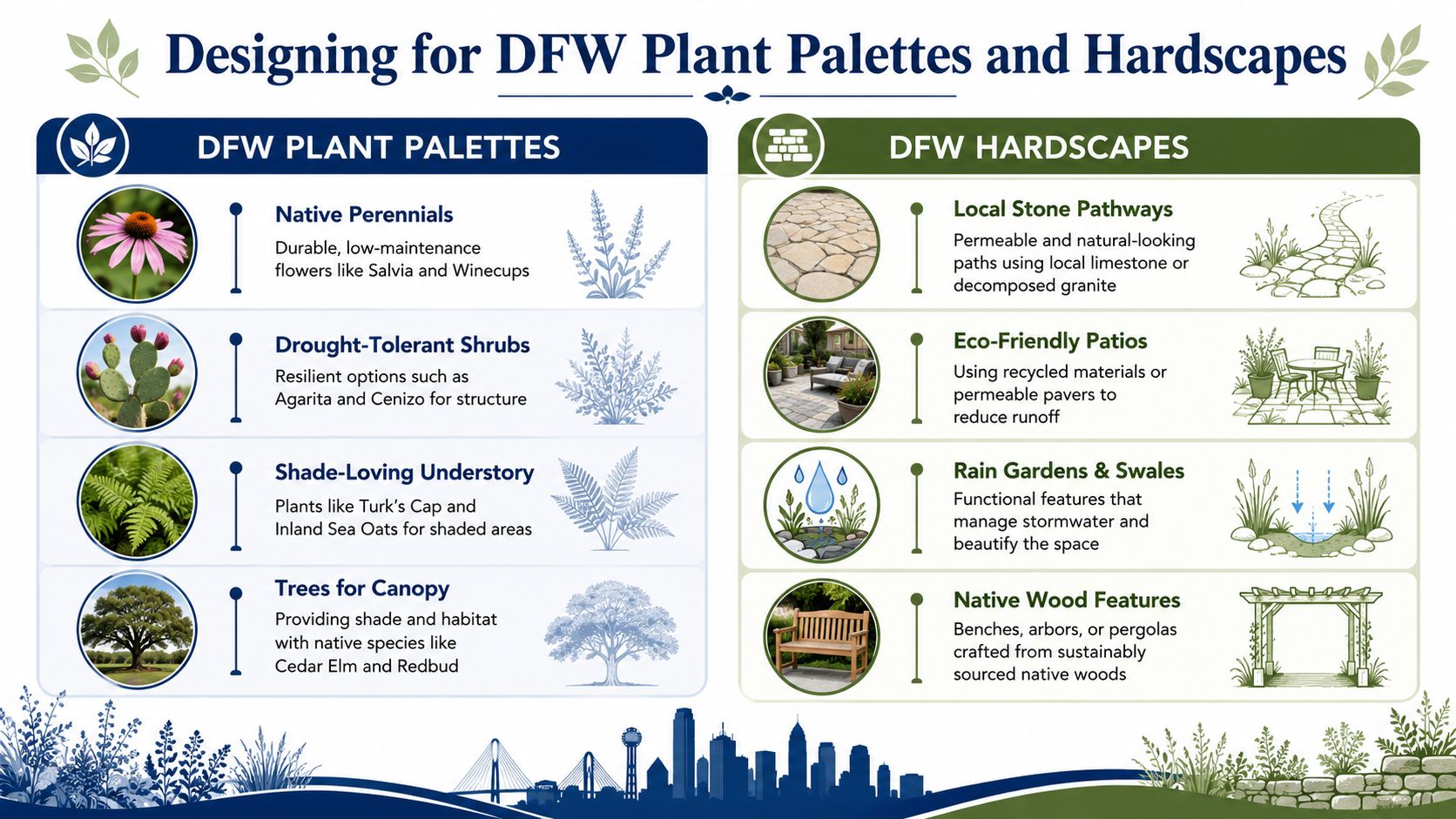
The strongest DFW palettes usually include a mix of canopy, screening, seasonal bloom, and low-growing knit plants. The exact species should match sun, soil, and drainage, but the categories stay consistent.
A useful framework looks like this:
- Canopy trees: Use them to cool space, anchor the composition, and reduce visual glare off paving and water.
- Structural shrubs: These hold the design together in winter and create year-round form near patios, fences, and property edges.
- Perennials and grasses: These provide movement, bloom, and the softer character people want from a naturalistic garden.
- Groundcovers: These tie the planting together and reduce exposed mulch or bare soil.
If you're comparing regional plant options, Rosewood's guide to native plants for North Texas is one example of a local resource homeowners can use to start narrowing choices by site conditions.
The real challenge is the transition
A key design challenge is blending angular hardscaping such as pools and patios with curved naturalistic planting, and guidance on doing that well is limited, as noted in the University of Delaware fact sheet on sustainable landscape design. Many expensive projects falter at this stage.
Homeowners often assume the answer is to make the planting as loose as possible to contrast the hardscape. That usually backfires. If the pool deck is geometric and the surrounding beds are too loose, the space can read as sloppy instead of relaxed.
What works better is controlled softness.
On high-end properties, the transition matters more than the feature. A beautiful pool can still feel harsh if the planting around it has no hierarchy.
What works and what doesn't
Use these rules when you're trying to make modern hardscaping and natural planting live together:
| What works | What usually fails |
|---|---|
| Repeating a few plant masses near hardscape edges | Mixing too many species in small areas |
| Pulling curves away from the hard edge instead of tracing every angle | Wavy bed lines hugging the patio exactly |
| Using upright and mounded forms to soften corners | Plants that flop across coping or walkways |
| Choosing hardscape materials with natural texture | Ultra-slick finishes paired with chaotic planting |
A few field-tested strategies help:
- Create a buffer zone: Use a simpler planting band closest to the pool or patio, then let the planting become more layered as it moves outward.
- Keep circulation clean: Natural doesn't mean plants should spill into every walkway. People need dry, readable paths.
- Use local-looking materials: Limestone, decomposed granite, gravel, and weathered textures tend to connect hardscape to planting more naturally than overly polished surfaces do.
- Frame views on purpose: Don't let the garden block every line of sight from the house. Use taller material to direct attention, not clutter it.
The result should feel composed. The hardscape gives the space function and structure. The planting reduces heat, softens edges, and makes the yard feel like it belongs in Texas rather than dropped in from somewhere cooler and wetter.
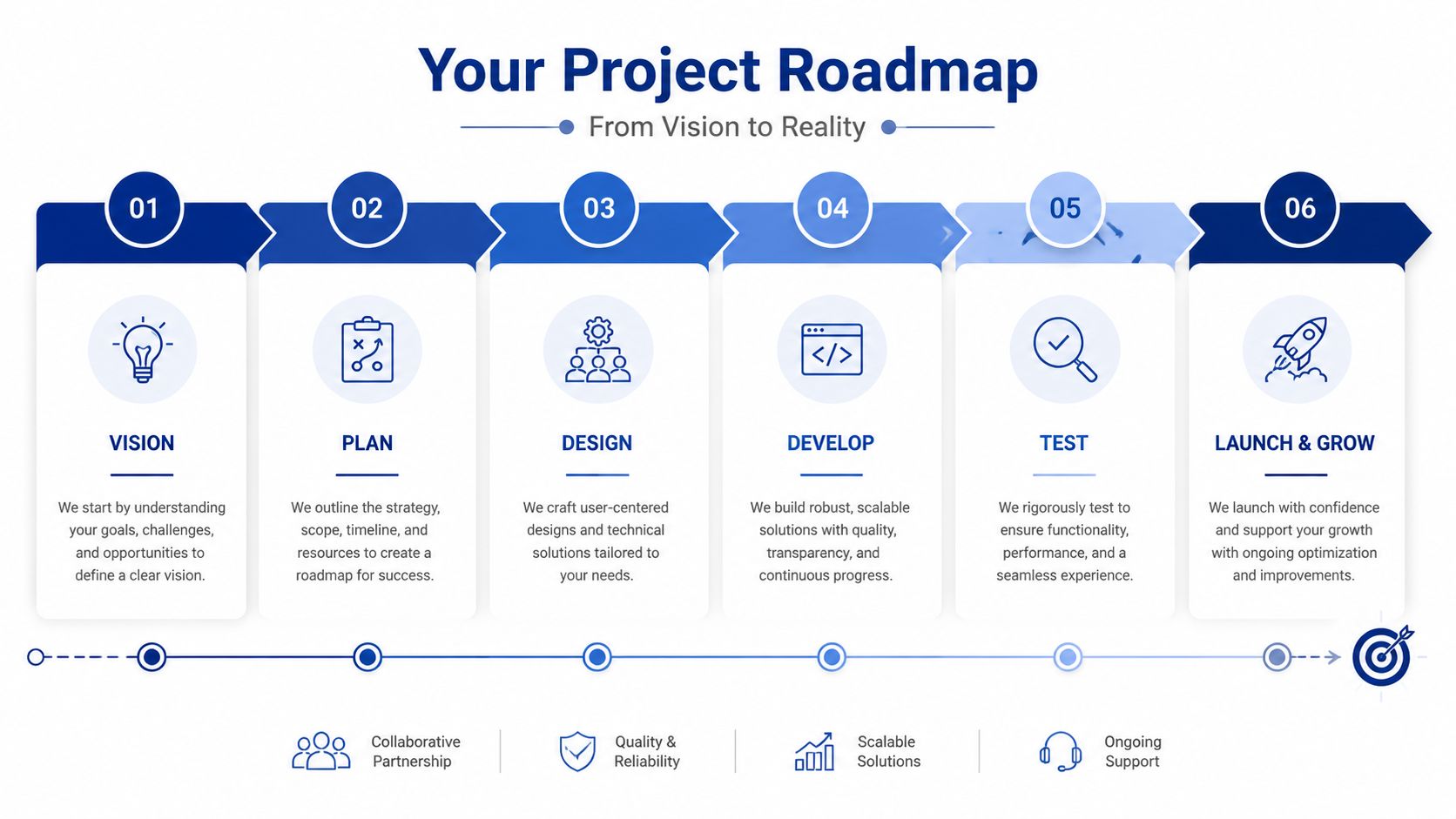
Your Project Roadmap From Vision to Reality
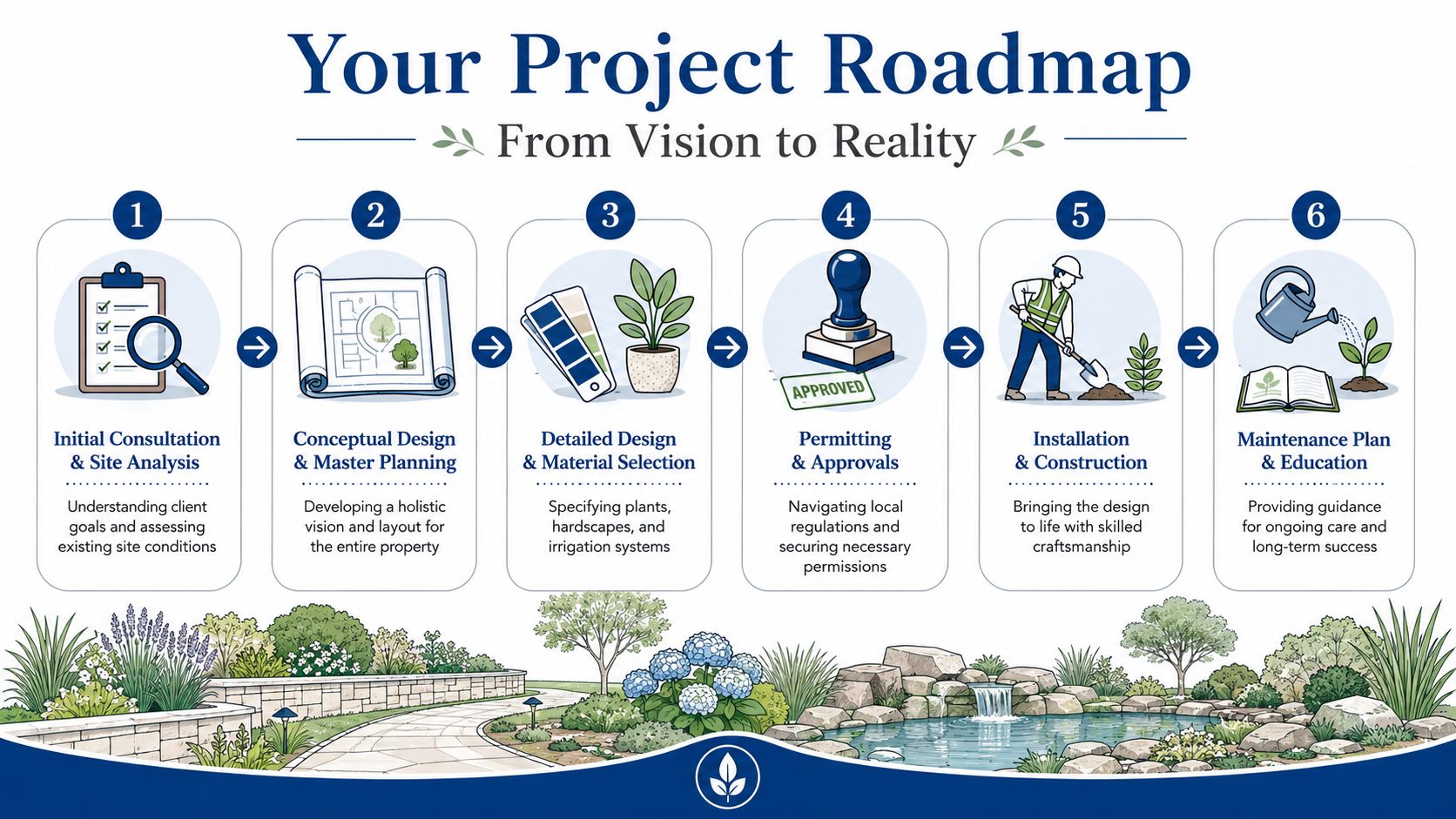
The best natural designs don't start with shopping for plants. They start with reading the site correctly. That's what separates a yard that improves over time from one that needs constant correction.
First, inventory the property honestly
Professional natural area design is driven by a rigorous site inventory and analysis of soil, drainage, and sun exposure before design begins, according to Jenna Bayer's overview of professional landscape design. That step is easy to skip and expensive to ignore.
Walk the property at different times of day. Notice where water stands after rain, where the soil stays compacted, and which areas get blasted by reflected heat from masonry or pool decking. Existing trees, grade changes, privacy issues, and utility locations all shape the plan.
This is also where realistic zoning starts. A backyard may need separate areas for dining, lounging, children's play, dogs, screening, and visual relief. Good design gives each one a place instead of letting them compete.
Then, phase and detail the work
Most larger projects don't need to be installed all at once. They need a master plan that can be built in stages without feeling pieced together.
A practical sequence often looks like this:
- Correct drainage and grading first: Don't install premium planting into a site that still sheds water poorly.
- Build major hardscape next: Pools, patios, outdoor kitchens, and retaining features should be set before finish planting.
- Upgrade irrigation by zone: Match delivery to plant type and exposure.
- Install trees and major structure planting: These create the framework.
- Fill with perennials, grasses, and groundcovers: At this stage, the area begins to feel complete.
Plans fail when installation order ignores how outdoor construction actually works.
Pay attention to technical standards
A polished natural design still depends on technical execution. Soil handling, plant quality, and spacing all matter. Cheshire East's technical design specifications note that existing on-site soils should be reused where possible, that topsoil depth should not normally exceed 300mm, and that depths above 400mm can create unsuitable rootzone conditions. The same specification also requires nursery stock to meet BS 3936 (1992) and gives exact spacing guidance for native hedge whips, including 5 plants per linear metre in two staggered rows, as outlined in the landscaping scheme technical specifications.
Most DFW homeowners won't be working from British standards, but the underlying lesson applies locally. Planting succeeds when soil depths, stock quality, and spacing are handled with precision. Guesswork shows up later.
For larger residential work, many homeowners choose a design-build firm or a site contractor that can coordinate drainage, hardscape, irrigation, and planting under one plan. Rosewood Site Group is one example of a DFW company that handles those services in combination, which matters when pool edges, planting beds, runoff, and irrigation all affect one another.
The New Rules of Landscape Maintenance
Natural doesn't mean no maintenance. It means different maintenance.
A conventional lawn-centered yard asks for repetitive input. Mow, edge, fertilize, spray, water, repeat. A natural design usually asks for more observation and less constant shearing. You'll still weed, especially while plantings establish. You'll still prune, but with a lighter hand. You'll still irrigate during hard stretches, but the goal is support, not overdependence.
What changes in practice
Maintenance shifts toward seasonal tasks and plant management:
- Watch establishment closely: New trees, shrubs, and perennials need monitoring until roots spread into surrounding soil.
- Cut back selectively: Ornamental grasses and many perennials benefit from annual cleanup, not weekly shaping.
- Mulch with intent: Groundcover, leaf litter, and dense planting can do some of the work that bare mulch beds never do well on their own.
- Edit, don't overreact: Some self-sowing and seasonal movement are part of the character. Remove what doesn't belong, but don't shear everything into submission.
If irrigation is part of the plan, it needs maintenance too. A well-designed system only stays efficient if zones, heads, and schedules continue to match the outdoor area. Homeowners dealing with inconsistent coverage or waste usually need a closer look at their water irrigation system options, especially after major planting changes.
The healthiest natural landscapes are managed like gardens, not treated like green carpet.
That's the mindset shift. A natural area gets better when someone pays attention to how it grows, not when someone forces every plant into the same shape every week.
Create a Landscape That Gives Back
A good yard should do more than survive summer. It should make the property more usable, more attractive, and easier to live with. Natural area design does that by reducing reliance on the thirstiest and most fragile parts of the grounds, while adding shade, texture, habitat, and better transitions around the spaces people use.
For many DFW homeowners, value is balance. You can have a refined pool area, a functional patio, and plantings that don't feel sterile. You can keep clean lines where they help and use softer, layered planting where the property needs relief from heat and hardness.
There's also a practical reason to bring in professional help early on some projects. In North Texas, there's a lack of quantifiable regional data on long-term water savings and erosion control costs for naturalistic design, which makes careful site-specific assessment important when homeowners need to justify project cost and long-term return, as noted by the Illinois Extension discussion of naturalistic landscapes. That matters most when the job includes drainage corrections, significant grading, a pool or outdoor kitchen, irrigation redesign, HOA review, or a large property that needs phased installation.
DIY thinking makes sense when you're improving a bed, testing a smaller planting area, or learning your site. Professional design makes more sense when the project has to solve several problems at once and still look cohesive when it's finished.
The best natural environments give back every day. They ask less from water and maintenance, they support more life, and they turn outdoor space into something that feels rooted in North Texas instead of in constant conflict with it.
If you're planning a more resilient, water-wise yard in Dallas-Fort Worth, Rosewood Landscape Group can help assess your site, align planting with hardscaping, and build a design plan around how your property performs in North Texas conditions.
Related posts
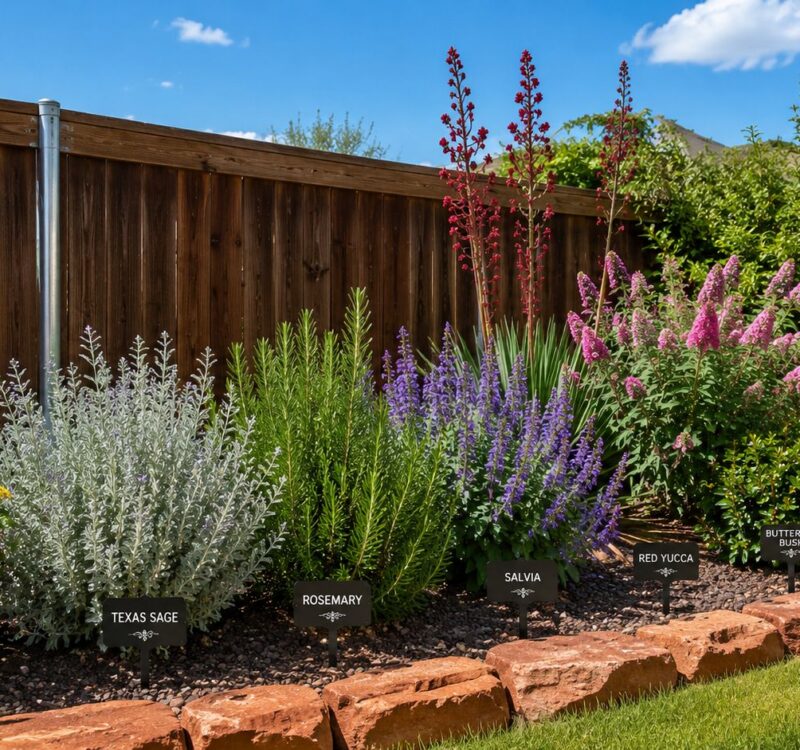
8 Best Shrubs for North Texas Landscapes in 2026
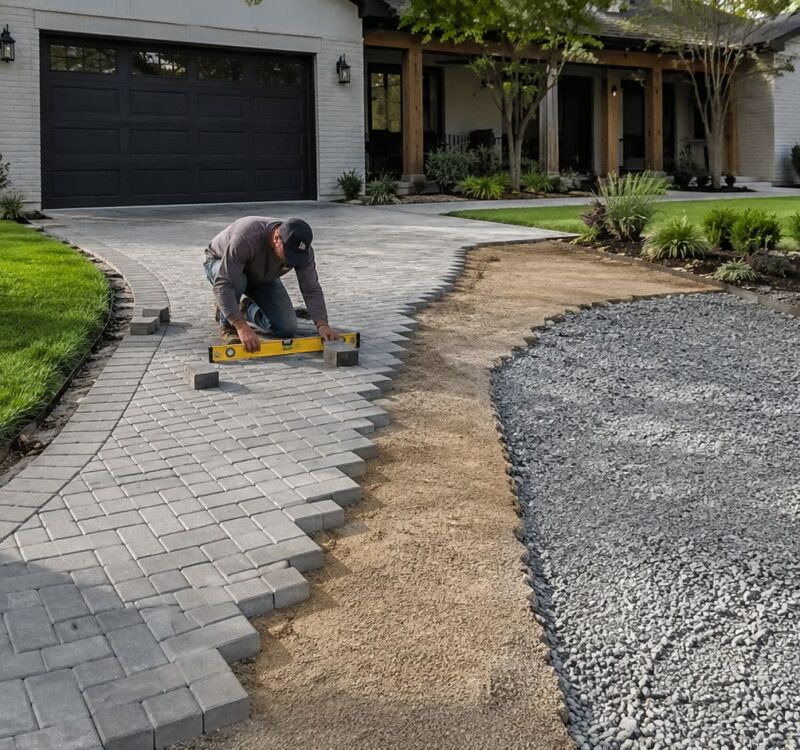
Permeable Paver Installation: A DFW Homeowner’s Guide
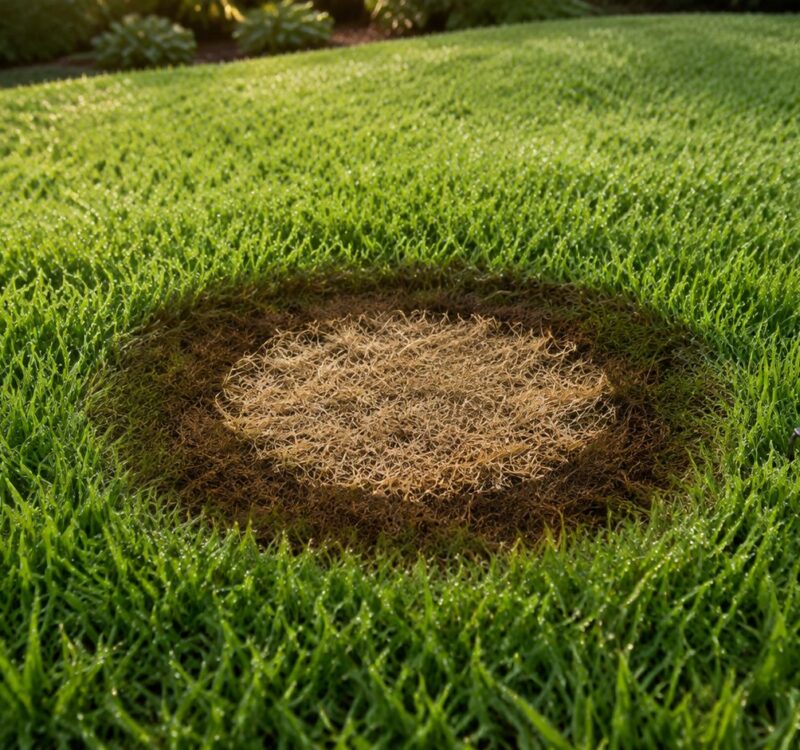
Zoysia Grass Fungus: Identify, Treat & Prevent in 2026
How to Improve Soil Quality: Easy Ways to Improve Soil
Take All Root Rot: Diagnose & Treat Your Lawn