A lot of North Texas yards look expensive on paper and worn out in real life. By late summer, the lawn is stressed, the flower beds are limping along, and the irrigation system feels like it's working overtime just to keep everything alive. Homeowners end up paying to fight the climate instead of planting for it.
That's usually the point where native plants start making sense. Not as a trend, and not as a “wild” look that only fits a rural property, but as a practical way to build an outdoor space that holds up better in Dallas-Fort Worth. The right native planting plan can look polished, intentional, and high-end while asking less from your water bill and less from your maintenance crew.
Tired of a Thirsty, Struggling North Texas Yard?
If your yard looks good for a few weeks in spring and then starts declining when the heat settles in, that isn't unusual. North Texas is hard on conventional plantings. Long stretches of heat, drying winds, inconsistent rainfall, and reflective surfaces around driveways, patios, and masonry all push plants past their comfort zone fast.
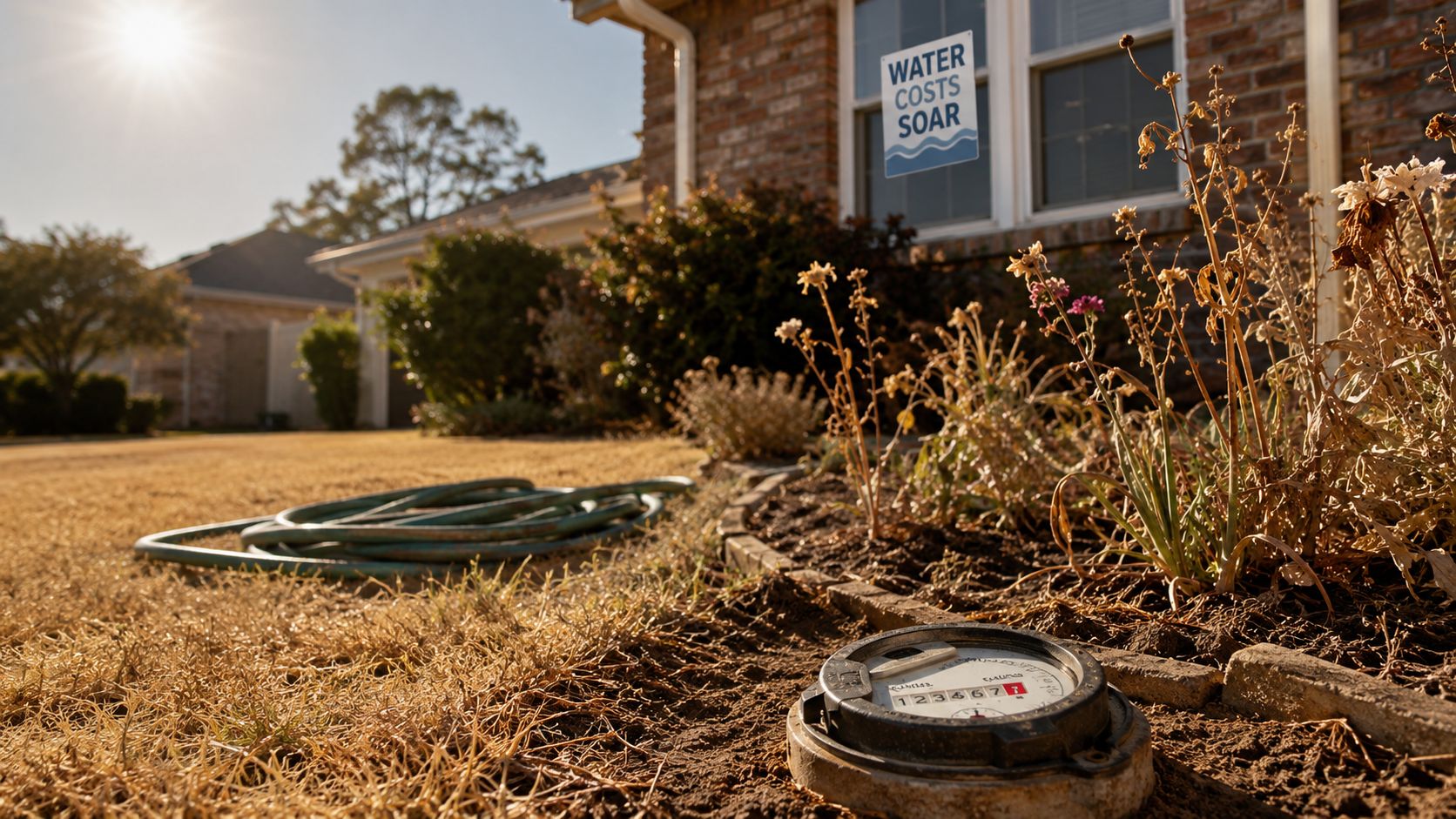
A common pattern shows up across DFW properties. The lawn needs more water than expected. Seasonal color burns out. Foundation beds look thin by midsummer. Then the response is more fertilizer, more irrigation, and more replacement planting. That cycle gets expensive, and it still doesn't create a yard that feels stable.
Why the usual approach breaks down
Many gardens are built around plants that can survive here only if every other variable is perfect. They need steady irrigation, ideal soil prep, and constant cleanup. On a real property, those conditions rarely stay perfect for long.
Native plants shift that equation. Instead of forcing a planting palette from another climate to perform in North Texas, you start with plants that already fit the region's heat and drought patterns. That doesn't mean every native belongs in every yard. It means your baseline is better.
Native landscaping works best when the design stops fighting the site and starts using it.
For homeowners searching for practical answers about native plants in North Texas, that's where the value lies. A native planting isn't just about using local species. It's about creating a yard that looks intentional in spring, holds together in summer, and doesn't become a constant repair project.
Why Native Plants Are a DFW Landscape's Secret Weapon
Walk a DFW property in late August and the weak spots show up fast. The west bed is scorched, the entry planting looks tired, and the irrigation system is working overtime just to keep everything presentable. Native plants earn their place because they keep more of the yard performing under those conditions.
The main advantage is long-term fit. North Texas brings heat, dry stretches, sudden downpours, alkaline soils, reflected light, and wide swings between exposed and protected areas on the same property. Plants native to this region are better adapted to that mix, so they usually need less intervention to stay attractive and stable.
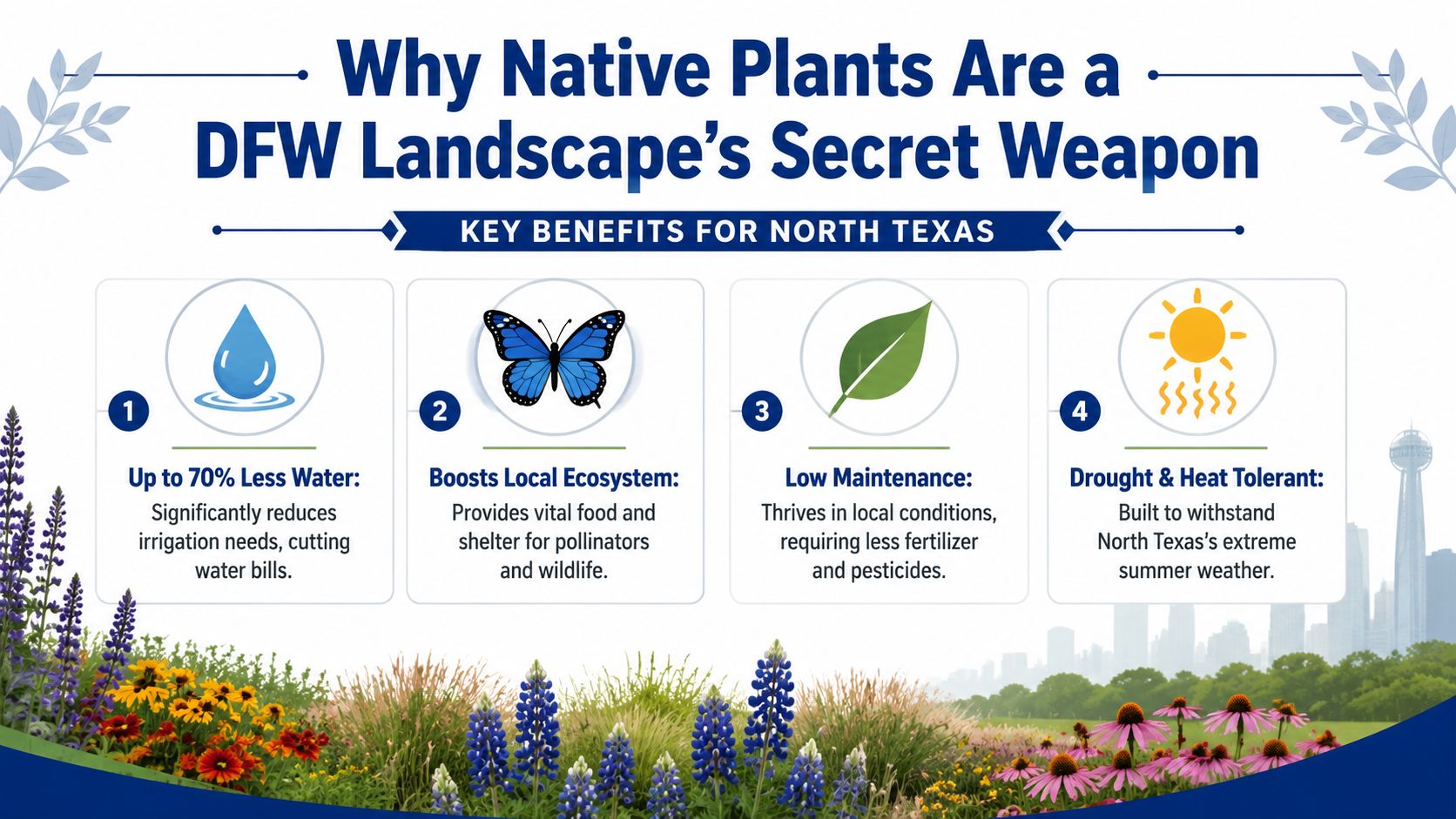
Texas NativeScapes notes native-plant gardens can use about one-seventh of the water of a typical North Texas garden, while also showing better resistance to common pest and stress issues. On real properties, that can mean fewer irrigation adjustments, fewer replacement cycles, and less money spent trying to force a poor plant choice to survive.
Water savings that matter on real properties
Water use is not just a utility issue. It affects plant health, maintenance budgets, and how much risk a property carries during a hot summer or watering restriction.
On larger residential lots, HOA common areas, and commercial frontage, thirsty planting schemes create ongoing pressure. Heads clog. coverage gets uneven. One failed valve or one missed cycle shows up immediately. A native-based planting plan gives the irrigation system more margin for error, which matters a lot in North Texas.
That does not mean every native is the right choice. Some trendy selections are hard to source consistently. Others look great for a season, then struggle with disease, short lifespan, or poor form once the bed fills in. Good native design is not about chasing whatever is fashionable at the nursery. It is about choosing reliable species and cultivars that contractors can find, install, and maintain successfully over time.
Lower input, better return
Native plantings still need care. They need correct spacing, establishment watering, seasonal cutback, and occasional editing as the garden matures.
The difference is where the work goes.
- Less rescue work: Fewer plants spend summer on the edge of collapse.
- Less chemical dependence: Well-sited natives often face less stress-related pest pressure.
- Less routine feeding: Many perform well without the heavy fertilizer schedule common in more demanding ornamental beds.
That trade-off is important on high-value properties. Owners still want polish. They just do not want a yard that requires constant intervention to hold itself together.
Better structure under North Texas stress
A strong planting plan needs dependable framework plants. In my work, that usually means using natives and native-adapted plants as the backbone in the hardest spots first: front entries, street-facing beds, long driveway edges, pool surrounds, and west-facing foundations.
Those areas expose weak plant choices quickly. Reliable natives help the garden keep its shape and coverage even when summer is rough. They also pair well with more decorative accents, so the result does not read as wild or unfinished. Used well, they give a property a steadier, more settled look with fewer seasonal setbacks.
The Best Native Plants for Your DFW Landscape
The best plant list isn't the longest one. It's the one that helps you match the right plant to the right job. That's how native plants in North Texas stop feeling abstract and start becoming useful.
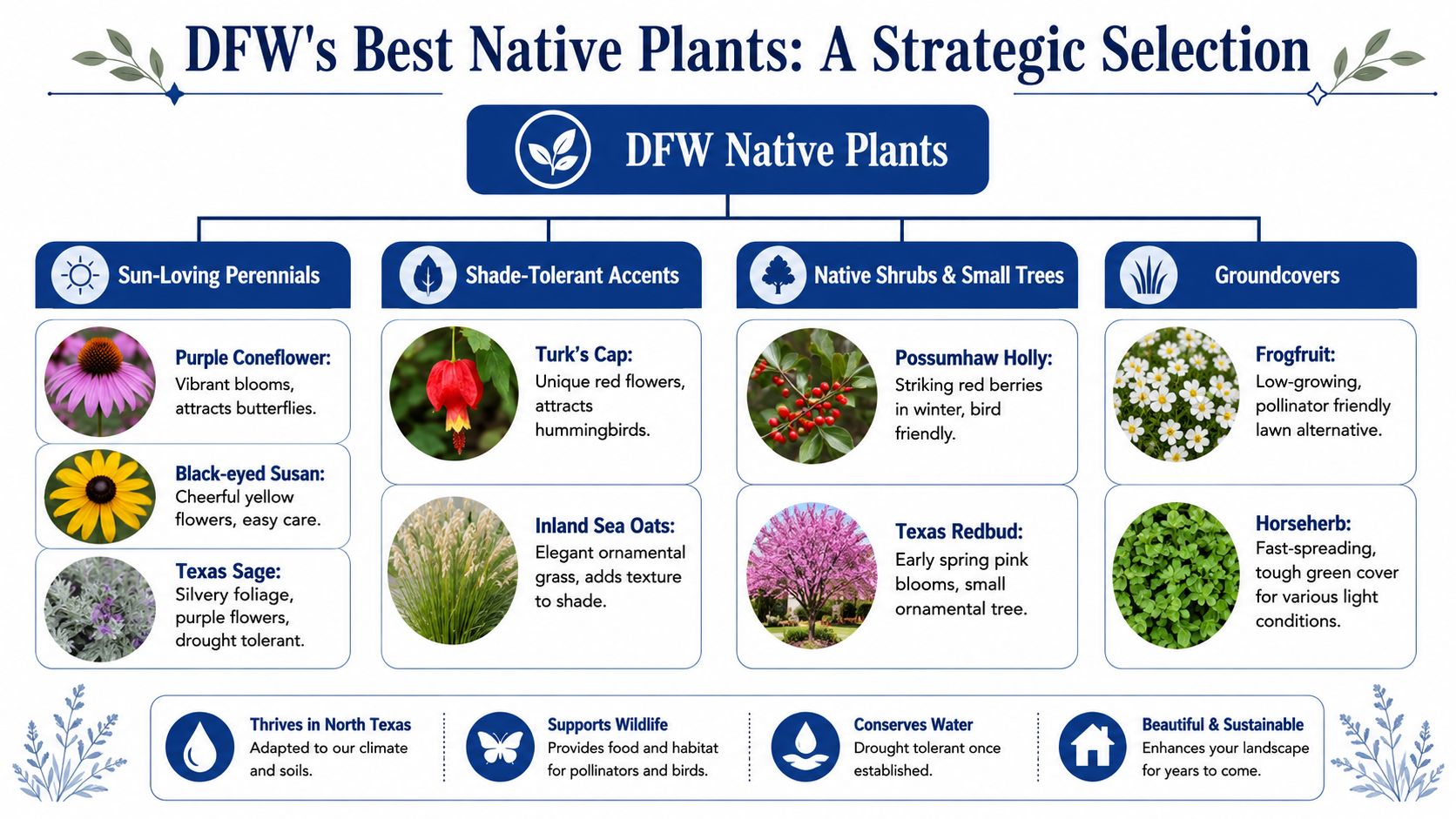
The Dallas County Master Gardener Association notes that native plants often grow more slowly in the first two years because they're developing extensive root systems, and its guide also shows that the native palette includes vines and groundcovers such as Carolina Jessamine, Coral Honeysuckle, Crossvine, and Horseherb in addition to trees and shrubs, as shown in the Dallas County Master Gardener guide to native plants for North Texas landscapes.
That slower start is important. Clients sometimes think a native bed has failed because it doesn't explode with growth right away. In many cases, the plant is doing exactly what it should. It's anchoring itself before it starts pushing top growth.
Plants for full sun and reflected heat
Some parts of a DFW property are punishing. West-facing beds, mailbox plantings, driveway islands, and open perimeter areas need plants that won't fall apart under intense light and heat.
Good candidates often include:
- Purple coneflower: Reliable color and a familiar look that blends easily with formal or informal designs.
- Black-eyed Susan: Useful when you want bright seasonal energy without a fussy plant palette.
- Texas sage: Strong structure, distinctive foliage, and a look that works well in more architectural settings.
These plants usually perform best when they're massed instead of dotted around as singles. Repetition gives the design more impact and makes the bed look deliberate rather than random.
Shade and part-shade plants that solve real problems
North Texas shade is tricky. A plant may be labeled shade tolerant and still struggle if the site gets trapped heat or harsh afternoon exposure. In protected areas, native and native-friendly choices can do a lot of heavy lifting.
A few that designers reach for often include:
| Site need | Good option | Why it works |
|---|---|---|
| Soft color in part shade | Turk's Cap | Brings seasonal interest without needing a high-input bed |
| Texture under trees | Inland Sea Oats | Adds movement and handles filtered light well |
| Ground-level coverage | Horseherb | Useful where turf struggles and a looser green cover makes more sense |
A shaded lawn is often the wrong solution in the first place. On those sites, converting weak turf into layered planting beds usually gives a cleaner result and far fewer headaches.
Slow early growth isn't a flaw. On many natives, it's the establishment phase that makes long-term performance possible.
Functional natives for screening, vines, and groundcover
A good outdoor space uses plants for jobs, not just decoration. That's where many native designs become more advanced.
Consider these practical roles:
- Privacy and screening: Yaupon holly is often used when a property needs evergreen mass and a clean outline.
- Vertical interest: Coral Honeysuckle, Crossvine, and Carolina Jessamine can soften fences, arbors, and masonry walls.
- Low-growing coverage: Horseherb works where you need living groundcover instead of thirsty turf.
- Seasonal habitat value: Pollinator-friendly perennials help active garden spaces feel alive without forcing a messy look.
On larger properties, these layers matter. A successful native design doesn't rely on one signature tree and a few flowering perennials. It uses canopy, shrub mass, seasonal color, vines, and groundcover so the yard feels complete.
What works better than a one-plant trend
The biggest mistake is chasing a single fashionable plant and building the whole design around it. Better results come from balanced combinations.
A dependable native plan usually includes:
- A structural backbone with shrubs or small trees that hold the design together.
- Seasonal perennials for color and movement.
- Ground plane coverage to reduce exposed soil and visual gaps.
- A realistic expectation that the first growing seasons are about establishment, not instant fullness.
That mindset is what separates a native planting that matures beautifully from one that looks unfinished and gets ripped out too soon.
Sourcing Plants and Avoiding Common Mistakes
A plant can be native to Texas and still be the wrong choice for your lot. That's one of the biggest misconceptions homeowners run into. “Native” is not a shortcut for “automatic success.”
For North Texas projects, it's smarter to work from ecoregion-focused resources than broad state-level labels. The Native Plant Society of Texas notes that its database is based on plants “readily available at native plant nurseries in your area,” which also highlights a real supply constraint. The same guidance points to Mexican White Oak as a newer recommendation because it's less susceptible to oak wilt than red oaks, as described in the Native Plant Society of Texas native plants database.
Availability changes the design
The practicalities of outdoor design diverge from social media. A plant may be popular online, but that doesn't mean you can source it consistently in the sizes or quantities a project needs. On a large property, availability affects layout, scheduling, and even whether a concept is worth pursuing.
That's why professionals don't ask only, “Is this native?” They also ask:
- Can I get enough of it locally?
- Will it hold up on this specific site?
- If it's unavailable, what fills the same design role?
- Is there a more resilient substitute with fewer long-term risks?
Popular isn't always durable
Oak selection is a good example. Many clients start with what they already recognize. But recognition isn't the same as long-term performance. If a species carries more disease risk, replacement and canopy loss become part of the actual project cost.
A more durable approach looks at resilience first and trend value second.
Ask the nursery what they can source repeatedly, not just what looks good on this week's availability list.
For homeowners doing their own research, ecoregion-specific tools are worth using. The Native Plant Society of Texas beginner's guide to identifying native North Texas plants also points readers toward databases curated around Texas ecoregions and the Lady Bird Johnson Wildflower Center's North Central Texas and Blackland Prairies collections. That kind of filtering helps you avoid buying a “Texas native” that makes more sense somewhere else.
Your Seasonal Planting and Establishment Guide
Plant choice matters, but installation timing often decides whether the plantings settle in or stall out. In North Texas, native plants do best when the planting schedule gives roots time to establish before the hardest weather arrives.
The reason is straightforward. Native plants in North Texas are favored because their deep root systems improve drought tolerance and reduce irrigation demand, making them a strong technical fit for heat-prone Dallas-Fort Worth sites where water stress is a common failure point, according to the Town of Flower Mound's guidance on native plants.
Timing and planting method
Fall is usually the most forgiving window for installation. The air cools down, the soil is still workable, and plants can start rooting without facing immediate summer stress.
A solid planting process looks like this:
- Match the plant to the site first. Sun, drainage, bed width, and mature size matter more than impulse buying.
- Dig wide, not unnecessarily deep. A broad planting area encourages root expansion.
- Avoid over-amending every hole. Many natives handle local soils better than people expect.
- Mulch with intention. Keep mulch off the crown and use it to moderate moisture, not bury the plant.
- Water to establish, not to hover. New plants need support while roots move outward.
For homeowners planning bed layouts, spacing, and transitions from lawn to planting areas, a basic garden planning guide for North Texas properties helps map the project before the first hole is dug.
What establishment really means
A native plant isn't born drought-proof the day it goes into the ground. It becomes more drought tolerant as the root system develops. That's why early watering still matters.
Use this simple framework:
- Right after planting: Water thoroughly so the root ball and surrounding soil settle together.
- During establishment: Water consistently enough to support root growth, while avoiding constant shallow cycles.
- After the plant settles in: Start stretching the interval so roots go deeper instead of lingering near the surface.
When managing native plants, many DIY projects go off track. People either baby a native forever or neglect it too soon. Neither approach builds the root structure that makes natives valuable in the first place.
Smarter Watering and Long-Term Native Plant Care
Once native plants are established, the maintenance strategy changes. You stop treating the bed like a thirsty annual display and start managing it like a stable, site-adapted garden.
That usually means watering more to a greater depth and less often. Shallow, frequent irrigation keeps roots near the surface, which is exactly what you don't want in a North Texas summer. Deep soaking encourages plants to reach lower for moisture and hold up better between cycles.
Adjusting irrigation habits
A lot of existing systems are programmed for turf habits, not planting-bed performance. Native areas often need a different schedule and sometimes a different delivery method.
The goal is simple:
- Reduce frequent light watering that evaporates quickly.
- Increase soak time when needed so moisture moves deeper into the soil profile.
- Separate beds from lawn zones when possible, because turf and natives usually don't want the same schedule.
- Watch plant response, not just the controller setting. Curling, scorch, and weak new growth usually point to a mismatch between watering pattern and site conditions.
For homeowners rethinking irrigation and plant choice together, these drought-tolerant landscaping tips for Dallas-Fort Worth homeowners are a useful next step.
What low maintenance really looks like over time
Native plantings still need regular attention. They just don't need the same type of constant intervention that stressed conventional beds often demand.
Expect ongoing work such as:
- Seasonal cutback: Many grasses and perennials look best with cleanup in late winter.
- Selective pruning: Shrubs and small trees still need shaping and clearance management.
- Editing the mix: Some plants will outperform others. Good maintenance includes adjusting the composition over time.
- Mulch and weed control: Young native beds need clean edges and weed suppression while they fill in.
A successful native landscape usually gets easier to manage as it matures, but only if the watering strategy matures with it.
That's the difference between a bed that knits together and a bed that always looks halfway stressed. Native plants reward disciplined early care and smarter long-term irrigation, not neglect.
Native Plant Design and When to Call a Professional
A well-built native planting should look intentional from the street and hold up after the first flush of bloom fades. That means choosing plants for structure as much as flower color, and it means designing for the way a DFW property functions. Front entry, pool view, drainage path, mower edge, and foundation exposure all matter.
I tell clients to start with the bones of the yard first. Repetition, clear bedlines, and a simple height transition do more for a polished result than chasing a long list of trendy species that may be hard to source or short-lived in local conditions. Some popular natives are excellent. Others become a headache because growers cannot keep them in stock, or they struggle with disease pressure once they are massed in the wrong setting.
The reliable approach is straightforward:
- Layer by height: Place taller grasses, perennials, and shrubs where they frame views instead of blocking them.
- Mass plants in groups: Repeating dependable selections creates order and reads better from the house and curb.
- Plan for all four seasons: Summer bloom is only part of the job. Seedheads, evergreen structure, branching, and fall color keep beds looking finished.
- Use proven plants for the framework: Save the harder-to-find or touchier selections for small accents, not the backbone of the project.
That last point matters on higher-value properties. If a fashionable native is unavailable, I usually substitute a plant with similar form and stronger long-term performance rather than delay the whole job or force a weak replacement. Clients are almost always happier with a design that fills in evenly, stays cleaner through the year, and can be maintained without constant edits.
Larger projects need more than plant knowledge. Grade changes, runoff patterns, irrigation zones, pool decking, retaining walls, and the space between beds and the foundation affect how the whole site performs. A professional design-build team can coordinate those pieces before installation starts. For homeowners planning a full-yard renovation, Rosewood Landscape Group's North Texas yard design team handles design, installation, drainage, irrigation, and ongoing property care across DFW.
Bring in a professional if the work includes a major lawn conversion, drainage correction, mature tree protection, difficult sourcing, or coordination with patios, pools, lighting, and outdoor living areas. Those jobs require layout, construction sequencing, and plant selection to work together. On a complex site, fixing a bad plan after installation usually costs more than getting the design right at the start.
If you want an outdoor area that looks sharp, handles North Texas weather better, and feels easier to manage year after year, Rosewood Landscape Group can help plan and install a native-focused design that fits your property, your maintenance goals, and the way you use your outdoor space.
Related posts
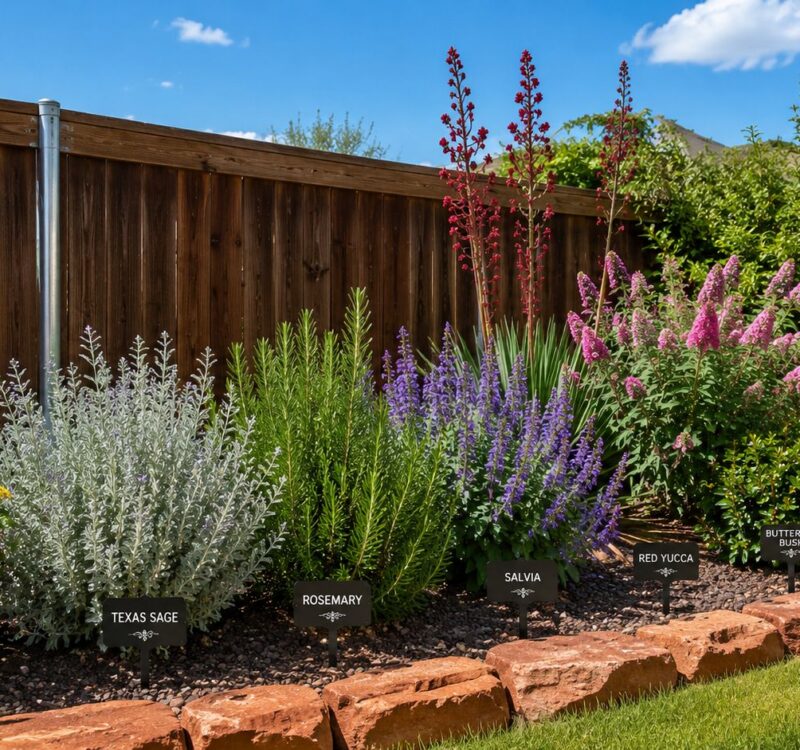
8 Best Shrubs for North Texas Landscapes in 2026
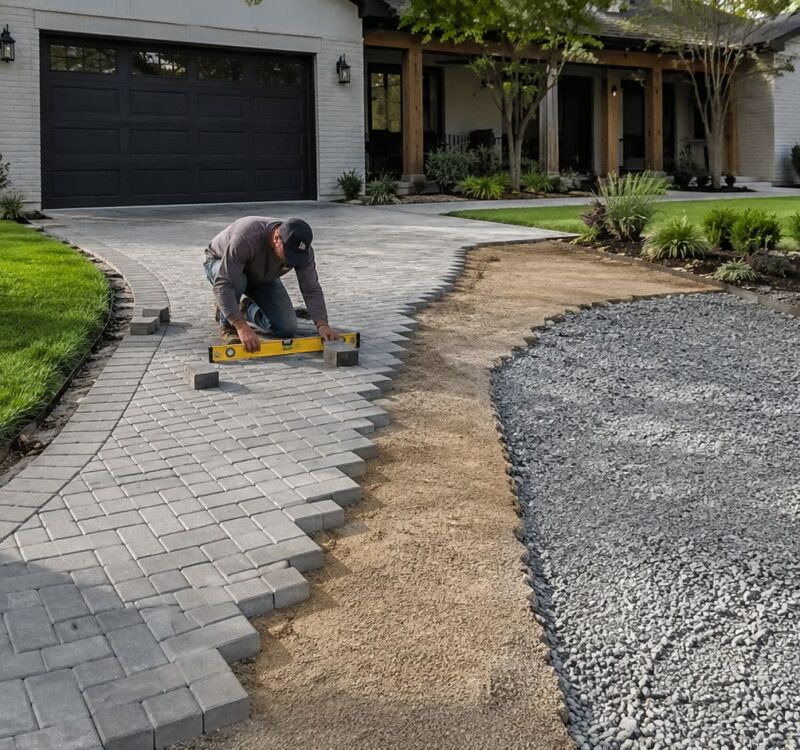
Permeable Paver Installation: A DFW Homeowner’s Guide
Zoysia Grass Fungus: Identify, Treat & Prevent in 2026
How to Improve Soil Quality: Easy Ways to Improve Soil
Take All Root Rot: Diagnose & Treat Your Lawn